Keto Favorites: Holiday Recipes

By: Laura Dority MS RD LD

Happy Holidays from the entire Keto Hope team! To celebrate, Jessica, Daisy and I decided to share our favorite keto holiday recipes with you! We know sticking to a keto diet can be difficult around the holiday season, but these recipes are sure to make it a little easier and a whole lot tastier!

1.jpg

First up – let’s take a look at Jessica’s favorite. Get your holiday breakfast started off right with this tasty keto breakfast casserole the whole family will love! And let’s be honest…you might just want to eat it all day…why stop at breakfast? This recipe makes about 9 servings and is a 1.25:1 ketogenic diet ratio with 1 gram of net carbohydrates. If you need a higher ratio you can adjust the recipe to include more olive oil and heavy cream and less sausage and eggs to reduce the protein while increasing the fat. Or try pairing with a side of avocado to add more fat and fiber!

Ingredients: 

  • 1 Tbs olive oil

  • 1 lb chorizo sausage

  • 6 cloves garlic, minced

  • 12 eggs

  • 1/2 cup heavy cream

  • 2 cups cheddar cheese, shredded

  • 2 Tbs fresh parsley, chopped

  • 1/4 tsp salt

  • 1/4 tsp black pepper

  • 2 cups cooked broccoli (optional, or veggie of choice-not accounted for in the nutrition facts below)

Directions: 

  1. Heat oven to 425 degrees F°. 

  2. Mix eggs, cream, and 1 cup of cheese in a bowl with whisk. Set aside. 

  3. Heat oil in a 12 inch cast iron skillet on medium heat until shimmering, then add garlic and cook for 1 minute. Add sausage and brown.  Drain any excess oil off.  

  4. Add broccoli, salt and pepper, then pour egg mixture over the pan and spread evenly. 

  5. Top with parsley and remainder of cheese. 

  6. Once the outside edge starts to turn a lighter color (about 1 minute), transfer the skillet to the oven and bake for 10-14 minutes (until eggs are puffed but the center jiggles just a little).  

  7. Remove and let cool for 5-10 minutes. 

2.jpg

You can also make this in a casserole dish by greasing a 9x13 pan. Add sausage and veggies in  layers then top with egg mixture and the rest of cheese and parsley. Bake for 20-25 minutes. Makes ~ 9 servings. 


2.jpg

Nutrition information (1 serving): 281 calories, 23 grams fat, 17 grams protein, 1 gram total carbohydrate, 0.1 gram fiber, 0.9 grams net carbs (1.25:1 ratio).

Lechon para Noche Buena (Christmas Eve Pork) 

Let’s move on to a main course option! Daisy, our amazing keto mom contributor, selected a Christmas Eve Pork which is a Cuban tradition in her family. Easy ways to add more fat to this recipe include drizzling extra virgin olive oil over the finished product or adding butter when the sauce is thickening.  ¡Buen provecho! (Enjoy!)

Ingredients: 

  • 1lb of pork either Boston butt or pork loin

  • 2 Tbsp of Badia Mojo Rub Citrus Blend seasoning

  • Grated Rind of one small orange

  • 2 bay leaves

  • 1/4 t oregano

  • 1 c water

  • salt to taste

  • 2 tbsp or oil for cooking

Directions: 

  1. Add all ingredients except oil and pork to a ziplock bag to be used as a marinade.

  2. Cut pork into chunks about 1.5 in each and then add to the bag with seasonings. Massage the marinade into the pork.

  3. Place the bag in a bowl and allow it to rest for at least 1 hr but overnight is best.

When ready to cook, heat the oil in a small pot on medium high.

  1. Add the pork chunks and brown them on all sides.

  2. Once the pork is browned, add the marinade and lower heat to med low.

  3. Allow the meat to cook in the marinade for 30 min with the lid on. Cook times will vary. You will know it's ready when you press the meat with a fork and it falls apart. 

  4. Remove the pork and set aside but continue to cook the sauce until it reaches the desired consistency (this is where you could add butter for a higher fat content) and remove the bay leaves. 

  5. Use a fork to shred the pork and add it back to the pot to combine with sauce.

6.jpg

Nutrition information with no extra fat added (1 serving ~2.5 oz): 230 calories, 16 grams fat, 20 grams protein, 0 gram total carbohydrate, 0 gram fiber, 0 grams net carbs (0.8:1 ratio).  

Nutrition information with 6 Tbsp butter added to sauce (1 serving ~3 oz): 330 calories, 27.5 grams fat, 20.5 grams protein, 0 gram total carbohydrate, 0 gram fiber, 0 grams net carbs (1.3:1 ratio).


Bacon-Wrapped Cauliflower

And finally, for my personal contribution I combined my two favorite keto foods…and no I’m not going to say avocado. While avocado may be the healthiest keto food, it’s not my personal favorite! The combination of cauliflower (dreaming of rice and pizza crust) and bacon are the hard winners. So, I found a recipe from Delish.com that I altered a bit by taking out the breadcrumbs and adding more Parmesan cheese. It ended up not only tasting great but it’s a work of art.  

If you want to make this recipe a tad easier, it would work just as well if you cut the cauliflower into florets and wrapped 1 slice of bacon around each floret and then baked the filling in a separate dish and served it on the side. You could also make this into a casserole by cooking the cauliflower and bacon then chopping and tossing it all together into casserole dish and baking until cheese turns golden brown.  It honestly tastes a lot like a spinach artichoke dip. You can add more fat to this meal easily by using more bacon and olive oil. 

Ingredients: 

  • ¼ cup extra virgin olive oil

  • ¼ cup lemon juice

  • Kosher salt

  • 1 head cauliflower, leaves removed and stem trimmed so cauliflower lays flat but still intact

  • 1 (10 oz) package frozen spinach, thawed, water squeezed out and chopped

  • 2 large eggs, beaten

  • 4 green onions, thinly sliced

  • 2 cloves garlic (minced) 

  • ¾ cup shredded cheddar

  • 4 oz cream cheese (softened and cubed) 

  • ½ cup grated Parmesan

  • 1 lb (~16 slices) thinly sliced bacon 

7.jpg

Directions: 

  1. Preheat oven to 450°F. Bring 8 cups water, oil, lemon juice and 2 Tbsp salt to a boil in a large pot. Add cauliflower and bring back to a boil. Reduce to a gentle simmer and place a plate on top of the cauliflower to keep it submerged. Simmer until knife easily inserts into the center (about 12 minutes). 

  2. Transfer cauliflower to a small rimmed baking sheet and let it cool. 

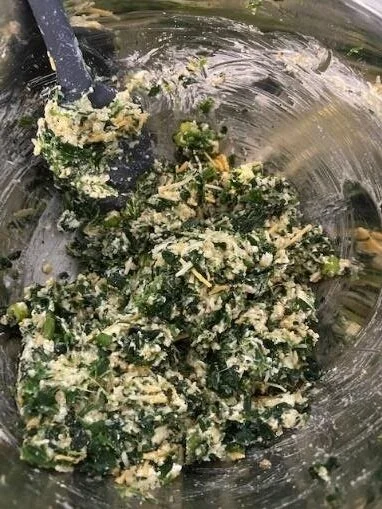
  3. Meanwhile, combine spinach, eggs, green onions, garlic, cheddar, cream cheese, panko, and Parmesan and place in a piping bag with a ¾ inch tip. 
8.jpg

Position cooled cauliflower stem side upon a rimmed baking sheet. Pipe filling between stalks of florets. Then flip the cauliflower step side down, and lay strips of bacon over in a woven pattern. 

  1. Roast, rotating sheet halfway through, until gold all over, about 30 minutes.

Nutrition Information per serving (makes about 8 servings): 300 calories, 25 grams fat, 15 grams protein, 7 grams total carbohydrates, 3 grams fiber, 4 grams net carbs (~1.3:1 ratio) 

Recipe credit: https://www.delish.com/cooking/recipe-ideas/a26882653/bacon-wrapped-cauliflower-recipe/

Thanks for reading and for all your support during this difficult 2020 year. We wish you and your families the most wonderful of holiday season and a Happy New Year – 2021 is going to be great!

Supplements, Supplements, Supplements: What Are They for and Why Are They Important?

By: Laura Dority MS RD LD

image1.jpg

As a ketogenic dietitian, I get a lot of comments and questions about the vitamin/mineral supplements recommended on a keto diet. “I wanted to do this diet to get off some medications and now I have to take a handful of vitamins every day” is a complaint I’ve heard a time or two. And I totally get it – it’s a valid complaint! On the other hand, as the RD, I am concerned when patients do not grasp that vitamins and minerals are JUST AS IMPORTANT as some medications.  

So let’s talk some details about why your ketogenic dietitian is recommending certain vitamin/minerals and why it’s important not to be wishy-washy about consistently taking them. 

Let’s start with a simple definition – vitamins and minerals are nutrients needed in small quantities in order for the human body to develop and function properly. In most cases, our bodies cannot make vitamins and minerals; therefore, we have to get them from outside sources such as food and sunlight. 13 vitamins and more than 20 minerals have been identified and are primarily present in carbohydrates (fruits, vegetables, enriched grains) and in proteins (nuts, meats, dairy). Fats, such as oil and butter, contain few vitamins/minerals yet contribute to the majority of the calories consumed on a keto diet. 

Research has shown time and time again that all forms of keto diet therapy (“classic”, modified, MADE, LGIT) are lacking multiple vitamins and minerals including the following: 

  • Vitamins: B’s (thiamin, folate, riboflavin, niacin, B12), C, D 

  • Minerals: Calcium, magnesium, phosphorus, selenium, zinc, iron

Studies show growth problems may be related to calcium and vitamin D levels.  A systematic review in 2011 showed drops in selenium and magnesium levels at 12 months for children on the “classic” keto diet and multiple case studies have been reported for low selenium as well.  


Supplementation, or in some cases carefully chosen foods in specific quantities, is 100% necessary to prevent vitamin and mineral deficiencies. Keep in mind that the more restrictive the approach of keto diet therapy, the higher the risk of nutrient deficiencies. Why? The higher the fat intake the lower the carb and protein intake; therefore, lower amounts of vitamins and minerals naturally found in the foods being consumed. 

How does your ketogenic dietitian determine what supplements are needed?  

Vitamins and mineral needs are based on the Dietary Reference Intake (DRI) which are developed and published by the Institute of Medicine.  The DRI represents the most current scientific knowledge on nutrient needs of healthy populations. While these guidelines vary by age and sex, they are not necessarily a reflection of exactly how much an individual will need. An individual’s needs may be higher or lower due to a variety of factors such as medications, metabolism, lean body mass, and mobility (to name a few). Unfortunately, there are not specific standards for the epilepsy population. Despite the fact that individual needs may vary slightly, using the DRI guidelines is the best way to assure the majority of nutrient needs are met. 

Ketogenic Formula Options: 

  • KetoVie® products manufactured by Cambrooke™ Therapeutics and KetoCal® products manufactured by Nutricia contain large amounts of vitamins and minerals. In order to avoid over supplementing, the amounts of vitamins and minerals provided by these products should be considered. On the other hand, just because you are on one of these products doesn’t mean additional supplementation is not needed – it all depends on the volume, labs and the individual. 


  • Keto Peptide manufactured by Functional Formularies does not contain large amounts of vitamins and minerals so additional supplementation will be necessary. 

Standard of Care Guidelines for Ketogenic Diet Therapy: 

  • Classic & Modified Ketogenic Diet/Orally Fed: All vitamins and minerals should be met with supplementation.  The small amount naturally found in foods being consumed are a bonus.  Patients will need a multivitamin, calcium and vitamin D at a minimum. Additional phosphorus and salts are also commonly needed. 


  • Modified Atkins Diet/LGIT: All patients should take a multivitamin as well as a calcium and vitamin D supplement. 


  • Classic Ketogenic Diet/G-tube or J-tube Fed: For patients that receive a consistent amount of ketogenic formula, the amount of vitamins and minerals provided by these products is calculated and then any remaining “gaps” are filled with supplementation.  

    • For example, a patient taking 720 mL (24 ounces) of KetoCal 4:1 Liquid meets all the DRIs for a 7 year old female EXCEPT calcium – which only meets 64%, so additional calcium would be recommended to achieve 100% of the DRI goal. 

Your ketogenic dietitian will also look at lab values and overall health goals to determine need for additional supplementation.  

When choosing supplements look for tablets and powders since they are usually the lowest in carbs/sugar. Most liquid and gummy forms will contain too many carbs and should be avoided. Chewables and oral disintegrating tablets can also contain carbs so should be used only under the recommendation of your ketogenic dietitian. Sometimes a chewable vitamin may be recommended if that is the easiest option for the patient and the benefits of the supplement outweigh the risk of the carbs provided. Your ketogenic RD may calculate the carb amount into your individual plan if needed.  

Multivitamins: 

A multivitamin is going to fill in the most nutrient gaps. Your standard multivitamin (Centrum®/One-A-Day®) are going to contain around 15 to 20 nutrients. When evaluating multivitamins be sure to choose one that includes iron and selenium, but they generally do not contain a significant amount of calcium. Keep in mind that even for pediatric patients an adult formulation may be ideal. 

Some of my favorite multivitamins that are keto-friendly are Nano VM® and Phlexy-vits.  Both are powders, contain 27 vitamins and minerals (versus ~15 found in your standard multivitamin) -- and they contain large amounts of calcium. Due to their completeness, using one of these specialty vitamins may allow you to reduce the number of supplements needed on a daily basis – think of it as an all-in-one approach. 

Calcium and Vitamin D:  

Evidence strongly indicates that patients with epilepsy have a higher risk of fractures – 2-6X the risk compared to the general population.  Assuring adequate calcium and vitamin D can dramatically reduce this risk. 

Numerous low carbohydrate formulations are widely available. Getting a product with both calcium and vitamin D (and sometime even magnesium) can cut back on the number of supplemented needed. 

Calcium is best absorbed in divided doses of 500-600 mg each. Calcium carbonate should be consumed with food versus calcium citrate which can be taken with or without food. Some patients tolerate the citrate form better. Keto friendly food sources of calcium include cheese, fortified unsweetened nut-based milks (almond/coconut/etc) and leafy greens such as kale and broccoli. 

Vitamin D has many functions in the human body – far outside just bone health – including an active role in immunity, blood pressure, cardiac health, cancer prevention and cognition.  When choosing a supplement, cholecalciferol (D3) may be better absorbed than ergocalciferol (D2). Doses are commonly prescribed based off of blood levels but 1000 IU is a good maintenance starting point for most patients. Do not fall into the mind set of more is better though because vitamin D supplements in large amounts can be toxic.  Generally exceeding more than 4000 IU/day is not recommended.  

Frustrating Fact: Heavy cream – a huge component of many keto diets- does not contain significant amounts of vitamin D or calcium.  I know, I know….it’s a dairy product so one would think it would be a good source but unfortunately that is not the case. 

Other vitamin/mineral supplements: 

Phosphorus: The more restrictive forms of keto diet therapy may need additional phosphorus supplementation. Good keto friendly food sources of phosphorus include dairy, meat, poultry, nuts, eggs, pumpkin seeds and peanut butter. 

Zinc: In most cases the amount in a multivitamin will be adequate.  Your keto team will likely check your blood level periodically and if low an additional supplement may be needed.  Zinc deficiency can impair growth and wound healing as well as alter taste and lead to hair loss. Keto friendly food sources include meat, seafood, and nuts/seeds.  

Selenium: As long as your multivitamin includes selenium the risk of deficiency is very low. Your keto team will check your level yearly.  Good keto friendly food sources include meat, seafood and Brazil nuts. 

Fish Oils (Omega-3’s): Often supplemented for overall health for those that do not eat a consistent amount of fatty fish or to help lower elevated triglyceride levels. When choosing a supplement be sure to choose a marine source and one that provides about a 50/50 mix of eicosapentaenoic acid (EPA) and docosahexaenoic acid (DHA). 

Carnitine: Carnitine is important for the conversion of fat into useable energy. Due to the high fat content of the keto diet and higher demand for carnitine, levels may decrease (especially for those on valproate/valproic acid). Generally, supplementation is recommended when free carnitine levels are low. Deficiency presents as muscle weakness, poor weight gain, hypoglycemia and fatigue. The best source of dietary carnitine are meat products. 

Salts: Your keto team may recommend a variety of salt products such as potassium-based salt substitutes, lite salt, or table salt. These are generally prescribed in small quantities to meet your potassium, salt and chloride needs and to keep your electrolytes in balance.  If your team has included these on your keto regimen, it is important to consistently take these products every single day. 

This list of supplements could go on and on…your keto team may recommend pancreatic enzymes to aid in digestion, sunflower lecithin (choline) for elevated cholesterol, potassium citrate for kidney stone prevention and/or sodium bicarbonate for acidosis. You as a caregiver or patient may be interested in taking other supplements such as herbs, probiotics, exogenous ketones, and/or essential oils.

My best recommendation, regardless of which role you play - the caregiver/patient or the healthcare professional -- is…LISTEN TO EACH OTHER. If your healthcare team is recommending a supplement, it’s for a reason –take it as prescribed as it may make the keto diet more effective and prevent side effects.  If your patient is inquiring about a supplement that is not well studied – keep an open mind. After first evaluating if the supplement is safe, allow the patient to use it. Maybe it will help – as we know many supplements are not well studied but that doesn’t necessarily mean they aren’t effective. Remember, it’s a team approach that includes both the healthcare providers but also the patient and caregivers! 


Resources: 

Arslan N, Kose E, Guzel O. The effect of ketogenic diet on serum selenium levels in patients with intractable epilepsy. Biol Trace Elem Res 2017;178:1–6. 

Bergqvist AG, Schall JI, Stallings VA. Vitamin D status in children with intractable epilepsy, and impact of the ketogenic diet. Epilepsia 2007;48:66–71. 

Berry-Kravis E, Booth G, Sanchez AC, et al. Carnitine levels and the ketogenic diet. Epilepsia 2001;42:1445–1451. 

Christodoulides SS, Neal EG, Fitzsimmons G, et al. The effect of the classical and medium chain triglyceride ketogenic diet on vitamin and mineral levels. J Hum Nutr Diet 2012;25:16–26. 

Kossoff EH, Zupec-Kania BA, Auvin S, et al. Optimal clinical management of children receiving dietary therapies for epilepsy: Updated recommendations of the International Ketogenic Diet Study Group. Epilepsia Open 2018;3(2):175-192.

Modified Ketogenic Diets: The Ins and Outs of Success

By: Laura Dority  

The Keto Hope Foundation recently hosted a webinar titled: Modified Ketogenic Diets for Adults and Pediatrics that was attended by more than 80 RDs across the globe.  We were fortunate to have 2 experts present on the topic – Kelly Roehl, MS, RDN-AP, LDN, CNSC from Rush University Medical Center in Chicago, IL covering the adult aspects of modified diets and Robyn Blackford, RDN, LDN from Lurie Children’s Hospital of Chicago sharing her unique protocol for modified ketogenic diets for pediatrics. Below is a summary of the webinar.  

What is a Modified Ketogenic Diet?  

First, we need to define what is a modified ketogenic diet. Unfortunately, there is no one universal definition which makes evaluating research on this topic difficult.  Let me offer a simple definition that aligns with the research of modified ketogenic diets.  

When research refers to a “classic” ketogenic diet it is referring to the most restrictive form of therapy and is often prescribed as a ratio of fat grams to carbohydrate and protein grams with all foods being weighed on a gram scale.  For example, a 4:1 “classic” ketogenic diet means the diet prescription provides 4 grams of fat to every 1 gram of protein and carbohydrate combined.  You may see ratios ranging from 1:1-4:1 with 3:1 and 4:1 being the most common.  

On the other, there is no exact definition on “modified” ketogenic diets. Modified ketogenic diets may refer to low ratios (1:1, 2:1) or they may also refer to a version of modified Atkins or low glycemic index treatment.  Essentially anything that is not a “classic” ketogenic diet is considered modified.  For a great visual on the different forms of ketogenic diet therapy check out the Charlie Foundation website.   

One thing that both the “classic” and modified ketogenic diets have in common is that they typically induce ketosis by shifting the metabolism from using glucose as an energy source to fat/ketones. The only exception to this may be low glycemic index approaches which may not induce ketosis in all patients.  

What are the Benefits of a Modified Ketogenic Diet?  

  • Less restrictive  

  • Improved compliance 

  • Reduced risk of side effects  

  • Outpatient initiations  

  • Great stepping stone/starting point 

Modified ketogenic diets have allowed dietary therapies for epilepsy to expand outside the restrictive “classic” approach. Patients that were not able to stick with a “classic” approach or maybe were not medically appropriate have more options that carry less side effects and offer similar benefits.  

What is the Efficacy of the Modified Ketogenic Diets?  

Pediatrics 

When done correctly the modified ketogenic diets can be effective at improving seizures.  A review in 2016 of over 400 patients, showed an 85% chance of seizure reduction with the “classic” ketogenic diet and a 60% chance of seizure reduction with modified.    

For those children that start on a modified ketogenic diet – what happens if they switch to a classic approach?  Great question - research indicates that 37% of children on a modified ketogenic diet can get an additional 10% improvement in seizures by switching to a “classic” approach but only a few became seizure free. However, if a child did not have any seizure improvement on a modified approach switching to a “classic” approach was not beneficial.   

Adults 

A meta-analysis looking at 270 patients in 2015 showed that 34% of patients that tried a modified ketogenic diet had more than 50% seizure improvement and the compliance rate was 56%.  When comparing to the “classic” ketogenic diet, 52% had at least a 50% improvement in seizure control but the “classic” ketogenic diet only had a 38% compliance rate. While this is only one study, it does indicate that while the modified diets are not as effective as the “classic” approach they do improve compliance. This could be key for patients who are unable to comply with the restrictiveness of the “classic” approach and otherwise would not have done any ketogenic diet treatment.   

A study done at Rush University compared a modified ketogenic diet allowing 15 grams of carbohydrates (MKD-15) and 50 grams of carbohydrates (MKD-50) in terms of efficacy, compliance and quality of life. Individuals on MKD-15 were more likely to have improvement in seizures and more likely to report an improvement in quality of life.  These results indicate that a more aggressive carb restriction had better outcomes and reflected on improved quality of life.  

Simple Initiation Protocol: 

Robyn Blackford, RDN, LDN shared her protocol for initiating a modified ketogenic diet that she created in 2006. One benefit of this approach is allowing a patient to ease into diet therapy and the potential of finding seizure benefit on a less restrictive goal.  Please do not attempt to navigate any form of ketogenic diet without support from a knowledgeable RD.  

  • Step 1: Take the average number of carbohydrates eaten from a 3-day food log.  

  • Step 2: Divide the average carbohydrate intake in half to determine your starting carb restriction.  

  • Step 3: Decrease carbs by 10 grams every week until at 40-60 grams/day or seizure improvement achieved.  

1601788489492.png

Chart adapted from: Comparison of diet therapies for epilepsy. The Charlie Foundation at www.charliefoundation.org. 2012.

How Do You Choose Modified vs “Classic”?  

The consensus statement from 2018 showed that experts agree --- all forms of the ketogenic diet are valid and beneficial.  

“Classic”  

  • Patients with a g-tube for nutrition   

  • Infants and toddlers  

  • Families that need a lot of structure and guidance  

Modified    

  • Patients will less intractable epilepsy  

  • Teenagers and adults  

  • Picky eaters  

  • Families that are reluctant to “dive in” to ketogenic therapy can use a modified approach as a starting point or a way to get their feet wet.  


Side Effects and Solutions  

Side effects are similar in children and adults. Modified ketogenic diets have less side effects when compared to the “classic” approach. This is likely due to a lower level of ketosis and “dose of diet.”  

1601788511738.png

Chart credit: Kossoff EH, Turner Z, et al. The Ketogenic and Modified Atkins Diets: Treatments for Epilepsy and Other Disorders. 6th ed. Demos Health, 2016. 

Conclusion:  

Modified ketogenic diets are effective in improving seizure frequency, severity and quality of life for both pediatrics and adults. Studies indicate that all types of epilepsy respond to modified ketogenic diets but those with generalized epilepsy may respond better. The modified ketogenic diets generally have less side effects compared to the “classic” approach. It’s important that families always remember that the modified ketogenic diets are a low carb AND high fat diet. Only doing low carb without the high fat aspect will not equal success. Intentional consumption of fat is key!  

Resources:  

  • Roehl K, Falco-Walter J, Ouyang B, Balabanov A. Modified ketogenic diets in adults with refractory epilepsy: Efficacious improvements in seizure frequency, seizure activity, and quality of life. Epilepsy Behav. 2019. April (93):113-118.   

  • Kossoff EH, Turner Z, et al. The Ketogenic and Modified Atkins Diets: Treatments for Epilepsy and Other Disorders. 6th ed. Demos Health, 2016. 

  • Kossoff EH, Zupec -Kania BA, et al. Optimal clinical management of children receiving dietary therapies for epilepsy: Updated recommendations of the International Ketogenic Diet Study Group. Epilepsia Open, 3(2): 175 - 192, 2018. 

  • Comparison of diet therapies for epilepsy. The Charlie Foundation at www.charliefoundation.org. 2012.  


Sunday Funday

Jessica Lee

I know what you are thinking…mimosas, brunch, maybe a day at the beach? Well let me rein you back a bit, I’m talking about FOOD PREP day! 

One of the first things I had to learn once we started the ketogenic diet was how to efficiently use my time and not feel completely stressed out for each meal.  Given that I (and maybe most of you) also work full time that left two days with any amount of time to plan meals. 

I know this pandemic has changed the way a lot of you grocery shop but I will admit we were once-a-weekers before this all started. And Sunday was our day. Therefore, Sunday was also my food prep day for the week for ketogenic meals and snacks.  I got in the habit of unloading groceries and getting right to it.  

When we started my daughter was still mostly on purees so there was a lot of steaming going on in the kitchen. I found it so helpful to chop, steam, mash or blend, and freeze portions of all of her vegetable and fruit options. Then I could pull out a few, thaw, and mix in her “fat” (often butter or coconut oil).  We did a lot of scrambled eggs and I have a great hack for that too.  

As she got older, I was doing more chopping and “jarring” to have quick access for snacks and meals. To be honest, this is something I still do for my family!  When they are whining because they are hungry, do I have time to get a cutting board, knife, and pepper out and cut it all up, then clean up? No way! But, if I can grab a jar with precut peppers to give them then I am much less likely to reach for that bag of chips instead.  An added bonus is that I NEVER throw produce away anymore. Seriously, before I did this jar method I would get so frustrated at the produce gone bad by day 4 or 5 after the grocery run but NO MORE!  Recently I also bought some kid friendly knives so they can “help” ;)

1596543076877001.png

Ok so let me hit a few key points here:

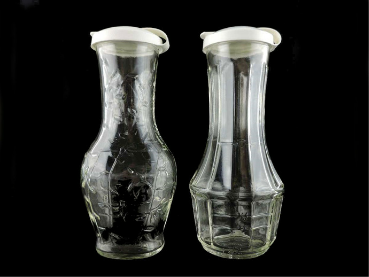
  • Eggs-pretty much the breakfast staple for us. I know some kids have egg allergies, so I apologize for not addressing that here (but we have an amazing previous post on egg/dairy free keto you can check out).  You know by now that a large egg is about 50 grams in weight but get yourself a salad dressing bottle and whisk up half a dozen, then you can just pour them into your weighing bowl each morning! (Funny side note, when I looked up a picture of the one we used, it labeled them as vintage…am I really that old??)

  • Veggies-Chop and steam! Then freeze in little containers like these below. I know some people say don’t do batches until you know your kids like that certain something  but I disagree.  I found with both of my kids that repetition was key.  If they didn’t like it this week, I’d try again in another week or two, and the great thing is you’ve frozen them so it doesn’t go bad! 

  • Fruits-Chop and mash, then freeze. Label baggies of course. Again, if at first you don’t succeed, try, try…and try, and try again!  In young ones their taste buds are developing so expose them to a lot of flavors. 

  • If you’re past the puree stage, grab some mason jars (or save old jelly and pickle jars)-wash, dry and chop. Close that lid tightly and they will stay fresh for well over a week. 

  • We did have a rotation of staple meals so I knew each week I could count on those.  I did continue to try new things with her, but if a sitter and family member was watching her I would have a tried and true meal ready. Also, it was easy to pack portions for eating out or trips where I couldn’t be certain we would have access to foods appropriate for her needs. 

It takes time to settle into a new routine but I suspect we have all learned this year how to be more adaptable. While it seems like a lot of work it truly saves times for the rest of the week!

So, gather your goods and settle in as Lee Brice croons…

“Songs in the kitchen

And playing on the radio

Coffee on the counter

Bacon frying on the stove”

Breastfeeding Options and Ketogenic Diet Therapy

Author: Laura Dority MS RD LD


For decades infants with epilepsy were not considered good candidates for ketogenic diet therapy (KGD).  It was thought that infants were at a higher risk of side effects (specifically low blood sugar) and were unable to produce adequate ketones for effectiveness – in other words the risks outweighed the benefits. 

But the reality is – infants ARE GREAT patients! In 2016 the consensus statement, “Ketogenic Diet Guidelines for Infants with Refractory Epilepsy”, was published in the European Journal of Pediatric Neurology.  This was a collaboration of 15 experts (doctors, dietitians and researchers) in the field of ketogenic diet therapy.  Since these guidelines were released, more ketogenic diet programs have started implementing the diet in the infant population.  Data has grown and outcomes continue to support that infants are ideal patients.  

What about Human Milk? 

Isn’t human milk the best choice for infants? Does this still hold true for infants with epilepsy? Don’t get me wrong – breastfeeding is great and likely the best choice for most infants. Unfortunately, human milk is not naturally ketogenic when comparing it to what we need for a medical ketogenic diet.  Yes, it is high in fat but it’s not low enough in carbs to induce ketosis. 

What about changing mom’s diet? Can we put mom on a ketogenic diet and change the composition of her milk to be higher in fat and more ketogenic? I have tried this several times and unfortunately have not been successful. When we have attempted this option – we placed the mom on a modified Atkins diet (20 grams of net carbs or less) and achieved positive ketosis but the human milk composition did not change. 

However, just because we haven’t been successful yet – doesn’t mean it’s not possible. I think this option warrants more research. What if the mom went on a more restrictive diet such as “classic” or net carbs 10 grams or less? If mom is in ketosis, would the infant receive benefit from drinking human milk with ketones in it regardless if the fat/carb composition didn’t change? It’s hard to say and these are great questions we need to study as a KGD medical community.   

What are the Options for Incorporating Human Milk into a Ketogenic Diet? 

While you can’t exclusively breastfeed on a KGD, there are a few ways that you can be successful in incorporating human milk into the plan.  

Option 1: Expressed Human Milk

Likely the “easiest” and most accurate method is for mom to pump and then to utilize the expressed human milk as part of the KGD formula mixture. Depending on the infant’s age, weight, keto ratio, you can likely use anywhere from 3 to 6 ounces of human milk a day. While this is not a large volume, I always emphasize that any amount of human milk is beneficial. 

Here is an example of a 24-hour batch of keto formula with expressed human milk that is a 2.75:1 ratio and 27 calories per ounce.   

  • 120 mL (4 ounces) expressed human milk

  • 420 mL KetoCal or KetoVie 4:1 Formula 

  • 240 mL water (to create a total volume of 780 mL)

july1.png

Keep in mind that human milk is a combination of foremilk and hindmilk.  The foremilk is the first milk that is released and contains more water and less fat. The hindmilk is the milk at the end of the feed and is higher in fat. One way to try and get a higher fat human milk is to have mom pump for 3 to 5 minutes to release the foremilk. Some moms can also tell when the milk changes by noticing the thickness and color change to a creamier white.  Then you can use the hindmilk only into the keto recipe. This is usually only an option for a mom that has a good milk supply. 

Option 2: Nursing 

Another option that is not as accurate as using expressed human milk is to have the infant nurse at the breast for a set amount of time. The amount of time is going to vary drastically between infants based on efficiency of eating, age, and weight. You can start by weighing the infant before and after a feeding and document the amount of time the feeding lasted. This will give you a general idea of how much volume is consumed in a set time. Then you start to reduce the amount of nursing time and follow with a ketogenic formula.  

Let’s look at an example – If an infant takes 4 ounces in a 15 minute nursing session, stat by allowing him to nurse for 5 minutes and then follow with a 3 ounce 4:1 ketogenic ratio bottle. Then adjust based on weights and ketone levels.  Here are some adjustments you may want to consider: 

  • Reduce the nursing time

  • Increase the ketogenic ratio of the formula – consider 4.5:1 or 5:1

  • Utilize medium chain triglycerides (MCT) into the formula 

  • Allow nursing at every other feeding only. You would still follow with a keto formula bottle but at the non-nursing feedings, the infant would just get the formula in the bottle. 

  • Consider pumping the foremilk so that when the infant nurses they get more hindmilk

Overall, you will need to adjust, adjust, adjust and with some patience and vigilance you can be successful. At the end of the day though the goal is seizure control so if that cannot be achieved with nursing your next step would be to switch to pumping and using expressed human milk as part of the ketogenic formula.  

july2.jpg

Option3: Use a Supplemental Nursing System (SNS)

A supplemental nursing system (SNS) can be used so that you can give ketogenic formula at the same time the infant is nursing.  With a SNS a small tube runs next to the mom’s nipple.  As the infant sucks, they will get human milk from the nipple and the ketogenic formula through the tube at the same time.  

Similar to nursing, this is not an exact method because you won’t know the exact volume consumed from the breast but you will know how much they get from the SNS. 

Like other options, you could have the mom pump for a few minutes to get the foremilk discarded and then utilize nursing with the SNS system. Another option would be to run MCT instead of keto formula through the SNS system – starting with a very small amount to assure tolerance. 

july3.jpg

Keep in mind that one way is not the only way and likely what is successful with one infant will not be successful for the next! Incorporating human milk into a ketogenic diet takes practice, patience and a little finesse but is worth it. You have to start with a plan and tweak it daily until ketosis is achieved.  Then ongoing adjustments will be needed on a weekly/monthly basis to keep up with growth and development.  

Even with the best of intentions and multiple tweaks and adjustments, you may not be able to get the infant into adequate ketosis or obtaining seizure benefit.  At that point, it’s time to discontinue the human milk component and switch to all ketogenic formula which is more controllable. 

Maintaining the mother’s milk supply is important throughout the KGD journey.  Regardless of the keto plan, mom should keep pumping and storing her milk. Human milk can be stored in your freezer for up to 6 months. Then if the KGD is discontinued, she can feed her infant the stored milk and resume nursing. 

Are you a mom that used human milk as part of your ketogenic diet journey?  If so, leave us a comment and let us know how you were successful.  

If you are a parent reading this article and looking to use human milk in your infants plan, talk to your ketogenic diet team.  

If you are a ketogenic dietitian and are hesitant to incorporate human milk– reach out to other ketogenic dietitians and ask for help.  

References: 

Cole N. et al. Initiating and Maintaining the Ketogenic Diet in Breastfed Infants. Childhood Obesity and Nutrition. 2010 May; 2(3):177-80.

Le Pichon JB. Et al. Initiating the ketogenic diet in infants with treatment refractory epilepsy while maintaining a breast milk diet. Seizure. 2019 July; 69:41-43.  

Van der Louw E. et al. Ketogenic diet guidelines for infants with refractory epilepsy. Eur J Paediatr Neurol. 2016 July; 20(6):798-809. 

To learn more about a SNS: https://www.medela.com/breastfeeding-professionals/products/feeding/supplemental-nursing-system

Beat the Heat with Keto Popsicle Treats

By: Laura Dority, RD

Summer is here and so is the heat. It’s hot, hot, hot and finding keto friendly popsicles is near impossible! Even popsicles labeled “sugar-free” are not necessarily carbohydrate-free and cannot be used for someone following a ketogenic diet for epilepsy. To solve this dilemma, we got creative and put together several different keto popsicle options. Some of these recipes are strictly for hydration while others will give you a “cool” option on getting in extra fat. 

First, gather the following supplies:  

  • Zipzicle ice pop bags – Reusable, easy-to-fill and hold about 3 ounces of fluid 

  • Small funnel (helpful in filling the Zipzicle bags)

  • Mason jars or other container you can close tightly for shaking 

  • Small food processor or blender (only if using an avocado containing popsicle) 

  • Permanent marker (for labeling) 

Hydration Popsicles

Ingredients:  

  • Powerade Zero

  • Crystal Light or other sugar-free drink powder 

  • Water

  • Heavy whipping cream 

  • Monk fruit extract or other keto approved sweetener (optional) 

If you are looking for a popsicle option just for cooling off and do not need any fat or calories than simply take Powerade Zero or Crystal Light and dilute them with water and freeze. 

pop1.jpg

Powerade Zero Recipe (makes ~2 popsicles): 

  • ½ cup (4 oz) Powerade Zero 

  • ½ cup (4 oz) water 

Crystal Light Recipe (makes ~10 popsicles): 

  • 1 individual packet 

  • 4 cups (32 ounces) water

A slight variation on these recipes is to add a little bit of heavy cream in place of some of the water. Additionally, you can add monk fruit extract for a little extra sweetness.   

Powerade Zero and Heavy Cream Recipe (makes 1 popsicle): 

  • ¼ cup (2 oz) Powerade Zero 

  • + 2 Tbsp (1 oz) heavy cream 

  • 2 drops monk fruit extract (optional) 

Nutrition: 1 popsicle is 100 calories and 12 grams fat 

If you need a lower calorie option, add more Powerade Zero or Crystal Light and less heavy cream.  Remember each Tbsp of heavy cream is 50 calories and 6 grams fat.  

pop2.jpg

Creamsicle Popsicles: 

Ingredients:

  • Diet, caffeine-free orange soda (flat) 

  • Heavy whipping cream 

  • Unsweetened almond milk (vanilla or plain) 

Creamsicle Recipe (makes 1 popsicle): 

  • 2 Tbsp (1 oz) heavy cream

  • ¼ cup (2 oz) flat diet orange soda 

  • Nutrition: 1 popsicle is 100 calories and 12 grams fat

pop3.jpg

Again, if you need a lower calorie option, add more of the soda and less heavy cream. You could also use unsweetened almond milk in place of the heavy cream to make a very low-calorie popsicle. 

Formula Popsicles: 

Ingredients: 

If you have access to a ketogenic formula such as KetoCal® or KetoVie™ you can make great tasting popsicles packed with nutrition. I used KetoCal® 2.5:1 Vanilla and KetoVie™ 4:1 chocolate with avocado for extra fat. My two-year-old (who doesn’t normally like avocados) kept telling me it tasted just like ice cream and asked for seconds!   

KetoCal® 2.5:1 Avocado Recipe (makes ~ 5 popsicles): 

  • 1 container of KetoCal® 2.5:1 Vanilla 

  • 1 avocado 

  • Blend together until smooth.  

  • Nutrition: 1 popsicle is 140 calories, 13 grams fat, 3 grams protein, 5 grams total carbohydrate, 3 grams fiber (~2.6:1 ratio)  

KetoVie™ 4:1 Avocado Recipe (makes ~ 5 popsicles): 

  • 1 container of KetoVie™ 4:1 Chocolate 

  • 1 avocado 

  • Blend together until smooth. 

  • Nutrition: 1 popsicle is 140 calories, 13.5 grams fat, 2.5 grams protein, 4.5 grams total carbohydrate, 4 grams fiber (~4.5:1 ratio)

pop4.jpg

Don’t want to use avocado? No problem. You can freeze the formula right out of the carton, or you can dilute with water or unsweetened almond milk for less calories and fat. For example, you could 1 oz of formula and 2 oz of water or unsweetened almond milk.  This would cut your calories down from 140 per popsicle to ~45 calories.  

Heavy Cream Popsicles: 

Ingredients: 

  • Heavy whipping cream 

  • Water

  • Unsweetened almond milk (vanilla or plain) 

  • Monk fruit extract or other keto approved sweetener (optional) 

Another easy popsicle option is using different amounts of unsweetened almond milk and heavy cream with a keto approved sweetener.  

Heavy Cream Recipe (makes 1 popsicle): 

  • 2 Tbsp (1 oz) heavy cream

  • ¼ cup (2 oz) water

  • 2 drops monk fruit extract (optional) 

  • Nutrition: 1 popsicle is 100 calories and 12 grams fat 

Unsweetened Almond Milk Recipe: 

  • 1/3 cup (3 oz) almond milk 

  • 2 drops monk fruit extract (optional) 

Remember that unsweetened almond milk is a great way to get in your daily intake of calcium and vitamin D.  

pop5.jpg

Honestly these recipes are just the tip of the iceberg of the endless keto options for popsicles that can be used for hydration and for adding extra fat into the diet. These recipes were so simple and easy to make that even my toddlers were able to help.  After a few hours in the freezer they were ready to eat, and I had no complaints from the toddlers on that part either!

pop6.jpg
pop7.jpg

Leave us a comment with your favorite keto popsicle!

Meet McKinley, CDKL5 Warrior!

By Yessy Abolila

mck3.jpg

Our daughter, McKinley, was born at 40 weeks and one day. In every sense, my pregnancy was by the books. No complications while she baked in my womb and no complications during birth. She was born at a healthy 8 pounds and 11 ounces. I was able to breastfeed immediately and she gained weight perfectly. I was thankful for it all and my worries seemed to vanish once she arrived. Life, unfortunately, can throw you a curveball.

At 3 weeks old, we started noticing these odd movements. We first thought they were startle reflexes, but after a few days of consistently seeing them, we called McKinley’s pediatrician on a Saturday morning, and she suggested we take her to the emergency room as a precaution. The ER staff was kind and assured us it was reflux at first. However, once they witnessed those same movements, they admitted McKinley and our journey into the world of epilepsy began.

Although a brain ultrasound and an MRI confirmed McKinley’s brain was physically normal, an EEG would confirm she was in fact having seizures. The following weeks were a blur of second opinions, medications, more EEGs, and eventually, genetic testing. The week after Thanksgiving, when McKinley was barely 9 weeks old, we received her diagnosis—CDKL5.

Cyclin-dependent kinase-like 5 is a genetic disorder that essentially affects how one develops neurologically. One of its main characteristics is hard to control seizures. It is a rare disease and not fully understood. There is a wide spectrum as far as severity and no two children are alike. Some may never walk, talk, or be able to hold their head up unsupported. As one can imagine, the news was difficult to accept. The best advice we received was to become our daughter’s advocate. With no cure, we began our research to find the best treatment for her.

mck1.jpg

I had first heard of the ketogenic diet as a treatment for epilepsy when McKinley was around 3 months old. I brought it up to her neurologist, and he said it would only be successful with a feeding tube. Hearing that, I was disheartened but looking back now, I realize he simply didn’t have experience with it. Although the diet has been helping children since the 1920s, in my experience, it’s not a common course of treatment in South Florida.

I finally convinced her team of specialists to give it a shot after McKinley was on her third or fourth hospital stay at 4.5 months. She had already failed four AEDs—Phenobarbital, Keppra, Trileptal, and Topamax. Her episodes were changing and I suspected infantile spasms. I researched and printed out articles from medical journals showing that the diet could successfully be used to treat IS, instead of the first line treatment of ACTH or Prednisone.

With her specialists finally on board, we began the diet inpatient and over the course of 12 days, I stopped breastfeeding, and transitioned her to a 4:1 KetoCal formula. Within two weeks of starting the diet, McKinley was seizure and spasm free. Results that I was grateful for. She started the diet while on Trileptal and Topomax—we weaned Trileptal first. Knowing what I know now, I wish we had also weaned Topomax in those first few months. She responded well to the keto formula—-I was allowed to add a splash of breastmilk to each bottle until my supply was depleted. We also slowly introduced purées.

We enjoyed 10 glorious months of freedom, until her spasms returned. Not as strong as pre-diet, but present nonetheless. We added Vigabatrin and experienced a couple months of freedom, before relentless teething caused the spasms to return earlier this year. While we haven’t been able to regain control yet, I know the diet is still helping her at nearly 20 months of age. We are working on making adjustments that I pray will eventually get her back on track.

McKinley's main source of nutrition are her KetoCal bottles. We are working on increasing her intake of purees, as her genetic disorder affects her ability to learn to eat/chew/hold a spoon, etc. I started introducing purees around 9 months old, but she would barely consume more than one ounce. She was in feeding therapy, but due to covid, we had to stop. This year, we have been able to gradually increase that to two ounces of puree per feeding. I try to feed her puree three times a day, but we've only mastered a solid two feedings daily. For the summer, I'd like to work her up to three ounces in one sitting (baby steps!). 

As far as food, she's had chicken and turkey for protein and olive oil, butter, heavy cream, avocado oil and mayonnaise for fats. Her cholesterol came back high from a recent blood test so I'm avoiding butter and heavy cream for a bit.

Veggie-wise, we're starting to expand. She loves asparagus and she's also had green beans, spinach and avocado consistently. I usually bulk make her purees, but since I've wanted to introduce new veggies, I bought an assortment of HappyBaby puree pouches to try out new flavors and see what she likes before I bulk make. 

So far McKinley's had and loved: 

- Pears, Zucchini, Peas pouch

- Pears, Squash, Blackberries pouch

- Pears, Kale, Spinach pouch

- Apples, Pumpkin, Carrots pouch

I mixed all these pouches with a full avocado and added additional avocado oil to reach her 4:1 ratio. One pouch gives me about (4) 2-ounce jars, so I'm able to freeze and thaw as needed. If it's a new ingredient, I give her the same puree 2-3 times in a row to see if her spasms increase. I actually noticed her spasms go up after consuming the Pears, Squash and Blackberries pouch, so I'll avoid squash and blackberries moving forward. I think using pouches (or pre-made baby jars) are a good way to introduce a new food, before your proceed with bulk cooking.

We've always tested McKinley's ketones using urine test strips (cotton balls in her diaper). She's always tested Larger or Large. I had read that purchasing a blood ketones meter will give you accurate results and then you can determine if a certain level allows for better seizure control. I did buy the blood meter, but haven't tested it out yet.

If I was a time traveler, I would go back in time and tell myself the following:

  • Research the diet more aggressively. Read Dr. Kossof’s The Ketogenic and Modified Atkins Diet book. It’s the staple for Johns Hopkins Hospital and gives a crash course on the diet for interested parents. 

  • Join keto support groups on Facebook. I would have asked questions about the potential of starting the diet with an infant and how to convince doctors to consider it, when they have little to no experience in it. 

  • Research side effects of the diet with McKinley’s medications (at the time). I wish we had realized that Topomax and the diet don’t play nice together and that acidosis is a common result. We would have avoided additional hospital stays had we known from the initiation of the diet.

  • If you’re not happy with your current team of specialists and their experience with the diet (or lack of), find a new team. This one may be the hardest when you’re in the thick of it. We all know too well that appointments with new doctors can be time-consuming to obtain, but I think it’s never too late to try. Post-pandemic world, it’s something I will consider as McKinley grows and her needs change.

  • Trust your gut. You are your child’s parent. You know and love them more than anyone else. If your gut is saying “try the diet” (or another therapy or medication), follow it. Make the appointments, encourage the doctors, and power through it.

Since time traveling is not feasible, I write this in the hopes of guiding a family through a similar experience. I write this to share our experience, our ups, and our downs, with the keto diet.  If I can empower at least one family to speak up or try something different, then this post will have been worth it.

mck2.jpg

Troubleshooting Your Keto Diet: Common Mistakes and Solutions

By: Laura Dority MS RD LD

Are you having difficulty achieving adequate ketone levels?  Do you feel like you have put all your blood, sweat and tears into a keto diet but are just still stuck at negative or trace ketone levels? Let’s see if I can help by diving into some of the most common mistakes and mishaps for those on a keto diet.

Roadblock #1: Not Eating Enough Fat

In order for the keto diet to be successful you must eat a high fat – not just low carb diet.  Most experts agree that at least 70% of your calories should come from fat. Fat is an important nutrient in getting your body to produce ketones. So pile on the avocados and olive oil – don’t be afraid.  Fat is key to success! 

Roadblock #2: Eating the Wrong Types of Fat

Avoid processed fats such as vegetable oil blends.  Instead focus on a variety of natural fats including eggs, avocados, raw nuts, seeds, oils and butters.  Don’t forget about ghee, heavy cream, coconut oil and coconut cream as well.  Aim for 4-5 different fat sources throughout the day.

may blog.png

Roadblock #3: Eating the Wrong Amount of Calories

Both eating too many or too few calories can derail your keto diet. Signs of eating too many calories including unintended weight gain, poor ketosis and feeling sluggish. On the other hand if you are losing excessive weight or have poor energy, try increasing your calories slightly.

Roadblock #4: Not Drinking Enough Water

Adults maintaining a keto diet should drink at least 64 ounces of water daily. If you are starting the keto diet, you need even more water because as soon as you start cutting out carbs your body will start to lose water naturally.  Water is crucial to keep your body functioning at its best by circulating nutrients, flushing out toxins and burning fats. Hydration for children is weight dependent so check with your healthcare team about water goals. 

Roadblock #5: Eating Too Much Protein

The keto diet is a high fat, low carb diet – not a high protein diet. Eating too much protein will lead to protein conversion into glucose (sugar) in the body. So if you eat too much protein, your body may not use fat as an energy source. To prevent getting too much protein, focus on fat sources that do not include protein such as butter or oils over just eggs and meat. 

Roadblock #6: Eating Too Many Keto Sweets

Many keto sweets contain large amounts of sugar alcohols and sugar substitutes. These sweets have a lot of calories which may cause you to eat too many calories. In addition, they may increase your cravings for sweet foods. Keep in mind that not all sugar alcohols are created equal. Some sugar alcohols and sugar substitutes are processed like sugar in the body and may need to be counted as carbs.

Roadblock #7: Excessive Snacking

Be sure you are only snacking when you are truly hungry and not due to other factors such as emotions or boredom. If you are hungry and need a snack, nuts seeds, avocados, or cheese are great options. Focus on small portions of these foods and giving yourself enough time after eating to feel satisfied before going back for seconds.

Roadblock #8: Hidden Carbohydrates

There is no official definition for a food to be labeled “low carb.” Many foods carry this claim but are not keto friendly. Common hidden sources of carbs can be found in condiments, sauces and salad dressings. Keep in mind that foods labeled “low sugar “or “sugar free” does not necessarily mean low carb and may not be acceptable on a keto diet. Read labels carefully!

Overall the biggest mistake people make is not drinking enough water and not following the right amount of carbs, proteins and fats.  Remember at least 70% of your total calories should come from fat (often more if you are on a “classic” form of ketogenic diet therapy) 5-10% from carbs and 15-20 % from protein on most keto plans. Reach out for help from a professional before abandoning your keto journey. The best source of nutrition information is a dietitian or doctor that is familiar with keto diets.

Disclosure: Before you make any changes to your ketogenic diet always discuss with your medical team. 

Dairy Free Keto...Is that even a thing?

3/1/20

By Daisy Argudin

20200229_124739.jpg

My keto kid is allergic to dairy and eggs so we have had to learn to make adjustments to his diet since he was small. It has made keto a bit more challenging for us but also something that made me want to try keto for his epilepsy over 2 years ago. I was used to reading every label and checking ingredients. We rarely ate out as I don’t think a chief in a restaurant can be trusted with so many restrictions. Unlike most keto families we can't pack some cheese for a snack. We can't use cream as our fat with meals. We can't add butter to everything to meet macros. Try and go through your daily food list and see how much of it is dairy. Thankfully in the last 3 years we have begun to see more and more dairy alternatives but often they are high in carbs or taste awful. The last year has brought more keto dairy free options as keto has become a popular way of life.

So how do we do it? Often I'll look for vegan keto recipes and get ideas that I can add protein into and stay within our macros. If I find something I'd like to try that has dairy then we have to find alternatives. I search many sites for new products and I'll ask my local grocery store to carry them or order some for us to try.

So what has worked for us? Dairy free cheese that is keto friendly and good is unfortunately a dream. A cheese stick of a popular brand is 4 net carbs while the shreds are 6 net carbs per ¼ cup, not worth it for us.

89229603_239134763767277_8009339998098685952_n.jpg

Butter seems to be an easy find that tastes great and we like the brands Smart Balance or Earth Balance. The macros are slightly different from dairy based butter. Dairy free butter has 9g of fat while butter has 11g. If you can find Earth Grown Coconut Spread, we find it at Aldi's, it has no carbs and 11g of fat. The flavor has a hint of coconut and is less salty than butter but very good.

89038066_564917707440474_3553954226189107200_n.jpg

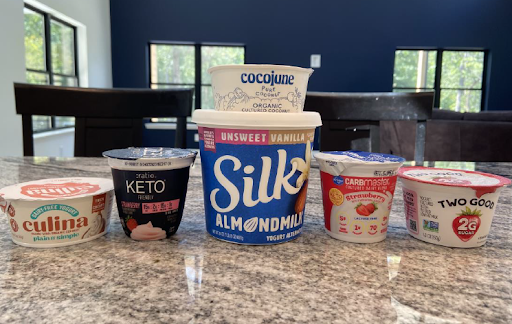
Yogurt? We like Kite Hill and Silk. Both are almond based. Silk is very similar to yogurt in texture and taste. Kite Hill is slightly less thick than the silk and a bit more tart, we also use it in place of sour cream. I can add avocado or mct oil to either and it mixes in well without changing the texture or flavor.

89045516_229175974924288_7182130774357835776_n (1).jpg

Coconut cream, not canned coconut milk, is close to heavy cream consistency but will add a coconut flavor to whatever you are making. Silk makes a heavy whipping cream that is very close in macros and taste to heavy whipping cream. If you want to make your own, you can blend 1 part vegetable oil with 2 parts milk alternative in a blender and it will work for most recipes.

20200229_124756.jpg

Dairy free milks. We use different ones for different meals. If I want higher protein for say a shake, I like the unsweetened Bolthouse pea protein milk with 1 net carb and 10g protein. For less protein the Ripple unsweetened pea milk with 0.5 net carbs and 8g protein. Silk almond milk has 0.5 net carbs and 1g protein so it fits as a drink with meals. All of these work well to blend in fats as needed to meet macros.

Some families are choosing to reduce their dairy intake over concerns that it is inflammatory to the body and specifically concerns that inflammatory changes in the brain can lower seizure thresholds. Some just want new meal options or are obligated to go dairy free, like us, because of allergies. Whatever your reason for trying dairy free, talk with your team and see if some of these options work for your family.


All the brands discussed in this article are ones we personally use, my opinions are my own and I am not compensated for using or endorsing them.

The Adventures of MCT Oil

Updated: 2/1/22

By Laura Dority MS RD LD

image.png

What is all this fuss about MCT oil? What is it?  When should it be used?  Can it be harmful?  You may have heard a lot about MCT oil and its role in ketogenic diet therapy but you may also have a lot of questions about this product.  As a ketogenic dietitian I use MCT oil all the time.  In fact, I would estimate that at least 50% of my patients consume MCT oil on a daily basis - it is definitely one of my favorite hacks I recommend to patients. So let’s dig in and I’ll give you my opinion on when I use it, what the side effects are, how to identify a quality brand and more.

MCT stands for medium chain triglycerides. Triglycerides are just a fancy word for fat. Fats are made up of chains of carbon atoms and are divided into 3 categories: 

Short chain fatty acids: Fewer than 6 carbon atoms. This type of fat does not occur naturally.

Medium chain fatty acids: Contain 6-12 carbon atoms. Occurs naturally in coconut oil, palm kernel oil and in a small amount butter. 

Long chain fatty acids: More than 12 carbon atoms.

1581651511713_image.png

Why is this important? Long chain fatty acids are more complex for our bodies to breakdown due to the longer chain of carbons and therefore more bonds to break. MCTs are easily absorbed and bypass much of the digestion process. Because of this easier digestion, MCTs provide a quick energy source for ketone body production.  There is even some evidence to suggest there is an additional anti-epileptic effect (outside of ketone enhancement), particularly with caprylic acid (C8). For the rest of this article we are going to be primarily discussing the following MCT’s: caprylic acid (C8), capric acid (C10) and lauric acid (C12). 


Coconut Oil vs MCT Oil Supplement

Often times coconut oil and MCT oil are promoted as the same which is not technically true. MCT oils generally contain either 100% caprylic acid (C8), 100% capric acid (C10) or a combination of the two. Lauric acid (C12) on the other hand is the main component in coconut oil. MCT oil supplements rarely contain any of the lauric acid. Why does this matter? That question is actually a widely debated and controversial topic.  I treat MCT oil supplements and coconut oil differently. Coconut oil can be a great way to get some MCT into your keto diet but I won’t say it’s fully comparable to an actual MCT supplement. It certainly is possible that the different MCTs work differently in our bodies. A great thing about coconut oil is it’s very stable at high cooking temperatures. This is NOT the case with MCT oil supplements. 

So to pull this complex topic together- use both! Use coconut oil to cook and bake and use MCT oil has an added supplement to your daily plan to get a variety of MCTs.

When to Use:

Keep in mind that MCT oil is rather versatile and there are many reasons and ways to use this product. Often it helps with diet palatability, decreasing the amount of fat needed from other foods. Likely the most common reason to use MCT oil is for constipation management. Since it’s easily digestible it generally empties through our digestive system quicker than other oils which can combat the constipation side effect we commonly see on a keto diet.

Another reason to use MCT oil is to provide a more energy-efficient ketone producing fuel source. A tablespoon of MCT oil compared to a tablespoon of olive oil (long chain fatty acid) would produce deeper ketosis.

Patients with carnitine deficiency may also benefit from MCT oil supplementation. MCTs do not require carnitine for digestion. Over the past few years I have had a lot of patients that do not tolerate carnitine supplements. By adding a little lamb to naturally boost carnitine levels and using more MCT oil instead of long chain fats you can increase the supply of carnitine and decrease the demand at the same time.

There is also some evidence to support anti-inflammatory, anti-microbial and anti-viral properties of MCT oil but those are hard to measure in a clinic setting so I really focus on constipation, ketone production and carnitine deficiency.

How Do I Incorporate?

First and foremost, reach out to your ketogenic diet team to determine a starting dose and schedule. It may need to be incorporated into your mealtime ratio. 

  • Add to beverages 

  • Add to food such as low carb yogurt or a smoothie 

  • Drizzle over salads 

  • Incorporate into fat bombs 

  • Take it like a shot

  • Mix into a mayo sauce (tuna salad, dip)

Just remember, MCT oil should not be heated. It’s okay to add to hot beverages but you should not cook with it. Also, for best results, spread the MCT oil throughout the day. 

Side Effects: 

The number one side effect with MCT oil is GI discomfort and/or diarrhea. If you do experience some GI discomfort or loose stools, it does not mean you cannot tolerate ANY amount of MCT oil. It probably means you took too much-try a smaller amount and spread throughout the day. I would also advise to start small and increase slowly so your body can adjust to the digestion. This can help minimize side effects. 

Quality Brands:

It’s important to make sure you are purchasing a MCT oil supplement from a reputable company. No one wants to pay top dollar for MCT oil that ends up being a glorified vegetable oil. Remember that supplements are not regulated so you have to buy from a trusted source such as a medical food company or a company that voluntarily has their product tested by a third party. One easy way to find a reputable source is to look for the USP Verified Mark. Seeing the USP Verified Mark on a dietary supplement label indicates the product contains the ingredients listed on the label and the amount stated.

1581651514407_image.png

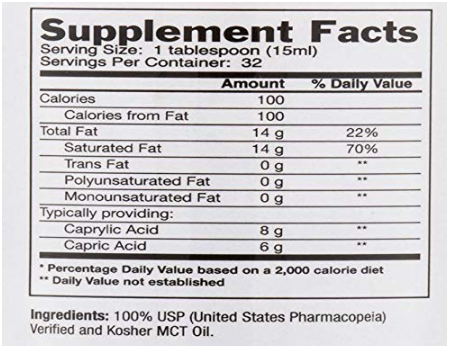
After finding the USP Verified Mark on a product, you also want to make sure the product contains both a combination of caprylic acid (C8) and capric acid (C10). It is not necessarily a requirement that the company tell you if they use both C8 and C10 so you may have to do a little digging. Here is an example label of a good product that has both the USP Verified Mark and provides a nice breakdown of both C8 and C10. Some good OTC brands often used are Now, Nutiva and Nature’s Way Organic.

1581651514405_image.png

Another option would be to purchase a MCT oil manufactured by a medical food company such as Liquigen® (manufactured by Nutricia) or BetaQuik® (manufactured by Vitaflo). Not only are these products manufactured by trusted companies, but the products are also emulsified. Emulsified products stay in solution – so you can avoid that separation you commonly see if you mix oil into other foods. 

Insurance Coverage: 

Most insurance companies consider MCT oil a supplement and since it’s readily available over the counter, it’s rare you can get insurance coverage. Clearly this varies widely from state-to-state but I personally have gotten coverage for kids who are fed via g-tube. I also generally have better success getting the emulsified products (Liquigen® and BetaQuik®) covered. Nutricia and Vitaflo who make these products have letters of medical necessity and patient assistance programs on their website that can be very helpful. Some Medicaid plans have oral supplement coverage that would be worth a try. Bottom line –call your insurance company - it never hurts to ask! 

As a recap – MCT oil can be a great addition to keto plans but should be individualized for the patient depending on what the goals are and how much of the product can be tolerated. Remember these are strictly just my opinions and experience with using MCT oil in my own clinical practice. Different ketogenic diet programs may use MCT oil with a different approach. 

Updates:

Recent animal studies suggest that MCT oil as 9% of total caloric intake improved spatial working memory and problem solving skills. (Epilepsy & behavior, 2021-01, Vol 114 (Pt.A) p107608)

A pilot study in healthy older adults showed improvements in working memory, inhibitory processing, problem solving and motor control that approached significance. (Alzheimer’s & dementia, 2021-12, Vol.17 (S6)

A systematic review revealed that MCT does not increase cholesterol, LDL or HDL, but does cause a small increase TG.  (The Journal of nutrition, 2021-10-01, Vol 151 (10), p.2949-2956.)


Disclaimer: The advice mentioned in this article is my opinion only. You should always check with your medical providers if consuming MCT oil as a part of your ketogenic diet is appropriate for you. In addition to the brands mentioned in this article are strictly my opinion only and I have NOT received any funding to promote these brands.