Weathering the Storm: Ensuring Your Child's Ketogenic Diet During Inclement Weather

Author: Laura Dority, MS, RD, LD 

Editor: Amy Merwarth, RD, LD 

As caregivers of children on a medical ketogenic diet for epilepsy, preparation is essential, especially when faced with the unpredictability of inclement weather. Power outages, hurricanes, and other natural disasters can pose significant challenges, but with careful planning, you can ensure your child's dietary needs are met without interruption.

1. Stock Up on Non-Perishable Keto-Friendly Foods

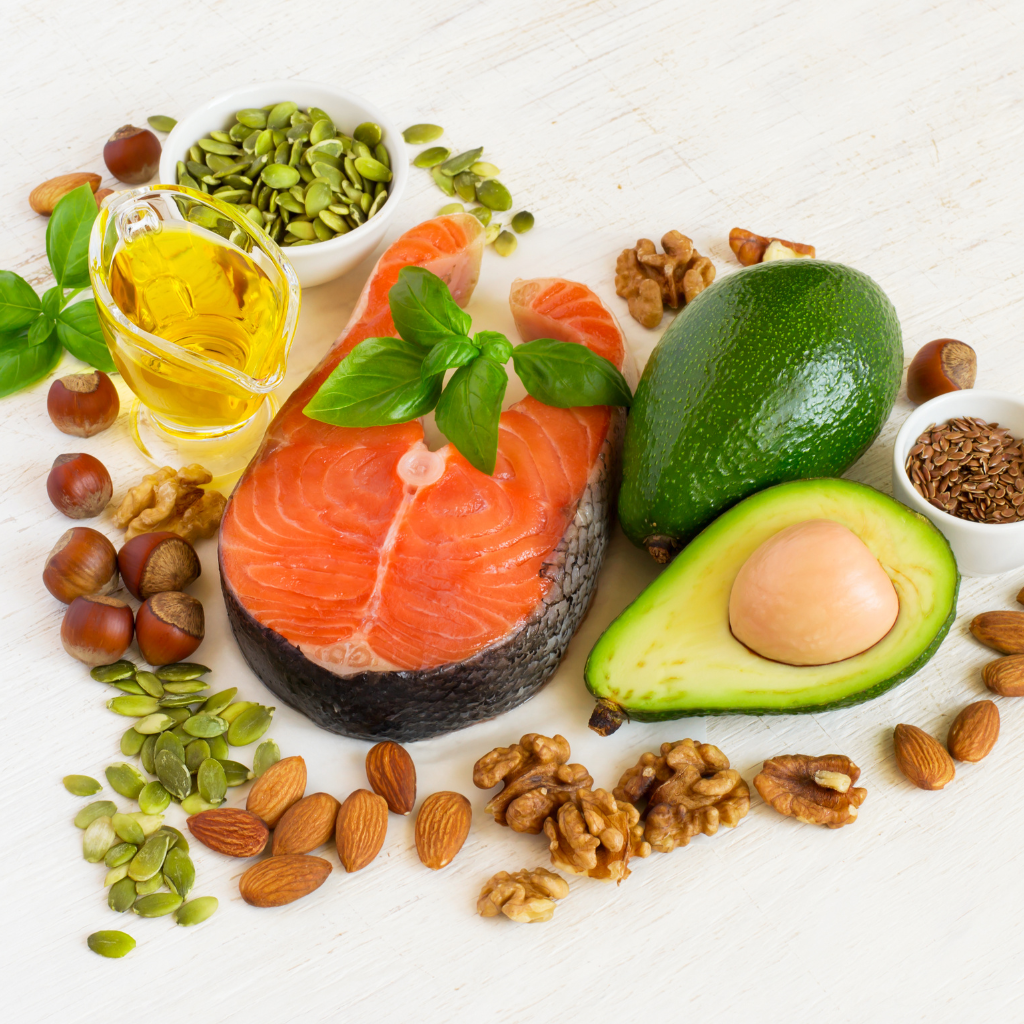
Having a supply of non-perishable, keto-friendly foods is crucial. These foods do not require refrigeration and can be lifesavers during extended power outages. Review your child’s ketogenic meal options and make a list of non-perishable items that your child will eat. Then get with your ketogenic dietitian to compile a handful of meal options using these non-perishable options. 

Here are some examples of non-perishable food options that can work in a ketogenic diet: 

  • Nuts and Seeds: Almonds, walnuts, macadamia nuts, chia seeds, and flaxseeds are excellent sources of fats and can be easily stored.

  • Nut Butters: Almond butter, peanut butter, and other nut butters (without added sugar) are convenient, nutrient-dense, and shelf-stable.

  • Canned Meats and Fish: Canned salmon, sardines, tuna, and chicken provide protein and healthy fats.

  • Olives: These can be included as high-fat snacks that require no refrigeration.

  • Coconut Milk and Cream: Full-fat coconut milk or cream can be used in place of dairy and provides a good source of fat.

  • Shelf-Stable Cheeses: Hard cheeses like Parmesan can last longer without refrigeration. Consider cheese crisps or shelf-stable cheese snacks as well.

  • Oils (olive, avocado, coconut): Great options to get the necessary extra fat needed to stay in ketosis and can be used in place of butter in most meals. 

  • Dehydrated or Freeze-Dried Vegetables: These can be rehydrated and used in meals.

  • Pork Rinds & Low-Carb Jerky: These are excellent snacks that can fit perfectly into a keto diet. Aim for products with no added sugars and preservatives.

  • Medical Ketogenic Formula: Even if your child does not rely on ketogenic medical formula on a regular basis, consider having a small supply on hand for inclement weather situations. These medical formulas can provide your child with all of their nutrition needs in a shelf-stable product. 

2. Maintain an Adequate Supply of Medical Formula

For many children on the ketogenic diet, medical formulas are a vital part of their nutrition. Ensure you have a sufficient supply to last through potential disruptions by regularly checking your inventory and reordering before you run low, especially during seasons of inclement weather. Talk to your supplier about the process for emergency ordering due to weather and delivery timelines. Store the formula properly by keeping it in a cool, dry place, and check expiration dates regularly.

3. Plan for Power Outages

Power outages can jeopardize refrigerated and frozen keto foods. Here’s how to stay prepared if you have some warning of an impending storm (such as a hurricane):

  • Coolers and Ice Packs: Have coolers and ice packs ready to keep perishables cold if the power goes out. Try and have several meals weighed and ready-to-go if you know your area might be impacted by a storm. 

  • Dry Ice: Consider purchasing dry ice, which can keep items frozen for a longer period.

  • Non-Electric Kitchen Tools: A manual can opener and battery-operated or hand-crank blender can be useful for preparing meals without power. A portable gas stove or grill can be used to cook or reheat foods when there’s no electricity.

4. Emergency Meal Planning

With the help of your ketogenic dietitian, develop a list of simple, keto-friendly meals that can be prepared with minimal ingredients and no cooking. Here are a few ideas:

  • Tuna Salad: Mix canned tuna with mayonnaise and serve with olives.

  • Nut Butter with Dark Chocolate: Spread nut butter on a piece of dark chocolate for a quick snack.

  • Avocado & Salt: Slice an avocado and sprinkle with salt for a nutritious and easy option.

  • Salmon & Avocado: Canned salmon mixed with avocado (shelf-stable if uncut) and a handful of nuts.

  • Sardines & Olives: Sardines with olives, drizzled with olive oil, and a side of pickles.

5. Medication & Supply Management

Ensure all medications are filled and up-to-date. In an emergency, access to pharmacies may be limited, so having a sufficient supply is critical. For those kiddos on g-tubes and fed through a pump, consider having gravity bags and/or 60 cc syringes so that you can still provide formula without the necessary power a pump requires. Also, be sure to have an adequate supply of glucose or ketone monitoring devices and supplies if these are a part of your ketogenic monitoring plan. 

6. Hydration & Electrolytes

Maintaining proper hydration and electrolyte balance is crucial, especially during stressful situations. Stock up on:

  • Water: Be sure to have an ample supply of bottled water for hydration and medication administration. 

  • Electrolyte Supplements: Powdered or tablet forms are convenient and can help you stay hydrated. Check with your ketogenic diet team on best electrolyte supplements for your unique needs. 

  • Broth or Bouillon Cubes: These are great for maintaining sodium levels and can be made into a quick drink.

7. Create a Disaster Kit

Assemble a disaster kit that includes:

  • First Aid Supplies: Basic first aid materials and any specific items related to your child's condition.

  • Flashlights and Batteries: To navigate in the dark and prepare meals using your gram scale. 

  • Contact Information: Keep a list of essential contacts, including your healthcare provider and dietitian.

By preparing thoroughly, you can help ensure your child's ketogenic diet remains uninterrupted during inclement weather, reducing the risk of seizures and maintaining their health. Stay safe and proactive, and always reach out to your healthcare team with any concerns or questions.

Remember, preparation is key to navigating any storm successfully. Stay safe and take care!

Low-Carb French Fry Favorites: Satisfy Your Cravings on Keto

Author: Taylor Parrish, RDN, LD
Editor: Laura Dority, MS, RD, LD

Craving the crunch and flavor of classic French fries while sticking to your keto lifestyle? Look no further! In this blog, we share 5 keto-friendly French fry recipes that have been taste-tested and approved, ensuring you can enjoy your favorite snack without compromising your low-carb goals.

Let’s get started with jicama, turnips, and celeriac root! The goal was to add enough oil to get to around a 1:1 ketogenic ratio. The celeriac root has the most carbs and least amount of fiber so more oil was needed to achieve this goal. If you need a ketogenic ratio higher than a ~1:1, pair the fries with a high fat condiment, dip, or drizzle with oil after cooking. Adding more oil to the recipe doesn’t always work because the vegetables can only absorb so much oil during the cooking process. Any high cooking temperature oil will work in these recipes such as refined avocado or olive oil. 


Jicama Fries

Recipe Credit: Victoria’s Keto Kitchen

Start by cutting your jicama into fry-like sticks and then boil the cut jicama in water for 30 minutes until soft. Some of the sticks may turn darker brown during boiling but it’s important to boil until soft before “frying” or the middle will still be crunchy after cooking. After boiling, weigh out 141 grams jicama, 8 grams oil, and salt to taste. Then cook them at 400 F° in the air fryer for 16-19 minutes (flipping halfway). Be sure to watch closely the last few minutes so they don’t burn. For a salt and vinegar taste, add vinegar to the water when you are boiling the jicama.

Nutritional Information (full recipe):

125 calories, 8 grams fat, 12.5 grams carbohydrate, 7 grams fiber, and 1 gram of protein for a ~1.3:1 ketogenic ratio

Review:

The jicama fries had a very satisfying crunchy texture and a sweeter flavor which is characteristic of jicama…almost like a tropical potato. The vinegar was a nice change in flavor so be sure to try that option.

Turnip Fries

Recipe Credit: Dr. Axe

Turnips are a great fry option because they look, feel, and cook just like potatoes yet have significantly less carbohydrates/starch. For this recipe, start by peeling the turnips and then cut into sticks. Boiling the sticks for about 5 minutes until soft is helpful. Combine 158 grams (2 small turnips), 10 grams oil, garlic powder, and salt in a bowl and toss to coat. For this experiment, I baked half of the mixture in the oven and air-fried the other half. From the original recipe, I lowered the temperature to 400 F° to prevent the fries from browning too quickly and baked for 20 minutes, flipped, and then baked for another 15-20 minutes.

Nutritional Information (full recipe):

133 calories, 10 grams fat, 10 grams carbohydrate, 3 grams fiber, 1.5 grams protein for a for a ~1.2:1 ketogenic ratio

Review: The turnip fries tasted most like a French fry but had a “chemical” aka turnip flavor aftertaste. By boiling the turnips, the aftertaste can be reduced. While these tasted most like a French fry, they were not very crunchy and had a soggier texture. Due to the taste, turnips likely make for a great mashed potato alternative versus a fry.

Celeriac (Celery) Root Fry

Recipe Credit: Taylor Parrish

First, peel the celeriac root and use a mandolin slicer (if available) to create sticks. Then measure out 221 grams of celeriac root, 25 grams of oil, and salt to taste. If baking in the oven, bake at 425 F° for 15 minutes flipping halfway through the cooking time. For the air fryer, cook at 420 F° for 10 minutes, flip, and cook for another 6 minutes or so. The air fryer created a crunchier product compared to the oven.

Nutritional Information (full recipe):

314 calories, 26 grams fat, 20 grams carbohydrate, 4 grams fiber, and 3 grams of protein for a 1:1 ketogenic ratio

Review: The celeriac root fry had a subtle celery taste but ultimately tasted most like a French fry with a great natural flavor that didn’t require a lot of seasoning. Unfortunately, it was not crunchy and didn’t “look” like a fry. 

Now let’s move on to almond and coconut flour options! For these, during the cooking process I did spray the fries with olive oil but I didn’t calculate any of the oil into the nutritional information. These will not absorb oil well during the cooking process. You will need to pair these with a high fat dip, condiment, or additional oil after cooking to boost the ratio.

Almond Flour Fry

Recipe Credit: Ketofocus

For this recipe, I halved the original recipe so I started with 50 grams of blanched almond flour, 6 grams of xanthan gum, and 3 Tbsp of water. Combine these ingredients and knead together. Place the mixture between two pieces of parchment paper and roll out until about 1/8” thick and then put in the freezer for 30-45 minutes until firm. If you skip this step, the dough will be sticky. Using a pizza cutter, cut the dough into sticks. I used the air fryer for cooking but the original recipe also has instructions for frying and baking. For the air fryer, lay the sticks flat on the cooking sheet, spray with oil, sprinkle with salt (to taste), and bake at 400 F° for 6 minutes.  

Nutritional Information (full recipe):

288 calories, 18 grams fat, 21 grams carbohydrate, 10 grams fiber, and 13 grams of protein for a 0.75:1 ketogenic ratio

Review: These were not as flavorful as the other options but were easy to add onion or garlic powder and rely on sauce for flavor. Ultimately, these had a look and mouthfeel closest to a French fry but mimicked a breadstick in texture.

Coconut Flour Fry

Recipe Credit: Low Carb Love

For the coconut flour option, I used the same recipe and technique as the almond flour recipe but with more xanthan gum and water because coconut flour absorbs water more than almond flour (50 grams coconut flour, 12 grams xanthan gum, and ½ cup water). After combining all ingredients, cook in the air fryer at 400 F° for 5 minutes. These did result in more browning than the almond flour, so less cooking time was needed.

Nutritional Information (full recipe):

255 calories, 5 grams fat, 41 grams carbohydrate, 27 grams fiber, and 11.5 grams of protein for a 0.2:1 ketogenic ratio

Review: The coconut flour is prominent and the mouthfeel is like a crispy breadstick.

Don’t Forget Your Condiments

As important as the fries, be sure to pair your fries with keto-friendly condiments. Here are a few suggestions to help guide you:

Keto Friendly Chick-Fil-A “ish” Sauce

Alfredo Sauce

Homemade Mayo

Sugar-Free Ketchup Mixed with Mayo

Sir Kensington’s Truffle Garlic Aoili (1 gram net carbs per Tbsp) 

Primal Kitchen Dipping Sauce: Special Sauce (1 gram net carbs per Tbsp) 


Charlie Foundation Condiment Recipes

Special Sauce (Makes ~13 Tbsp)

½ cup avocado oil mayo

1 tsp no sugar added dill pickle juice

2 T sugar-free ketchup

2 T chopped-up dill pickle (no sugar added)

2 tsp Dijon mustard (emulsifier)

1 ½ tsp coconut aminos

½ tsp onion powder

½ tsp garlic powder

½ tsp paprika

Mix all of these together and store in fridge up to two weeks.

Nutrition Information (per Tbsp): 67 calories, 7 grams fat, 1 gram carbohydrate, 0 grams fiber, 0 grams protein for a 7:1 ketogenic diet ratio

General Tips To Elevate Your Keto Fries

  • If possible, cut all the fries the same size and thickness. This will prevent having some crispy overdone “fries.”

  • If you like fries, invest in a mandolin slicer.  This will make the process easier by creating uniform sizes.

  • Watch the fries closely towards the end of cooking time. They can burn quickly.

  • Let the fries rest for a few minutes before eating – this will help with the crunch factor.

  • Be sure to salt before baking but to prevent burning, add remaining seasonings after baking.

Overall, both the almond and coconut flour options look most like fries but had a breadstick mouthfeel which could pair great with a high fat dip! The vegetable-based fries tasted most like a fry. I would make celeriac root fries and jicama fries again and keep turnips as an alternative for mashed potatoes. None of the fries absorb a lot of fat during the cooking process so don’t rely on oil added during the cooking process to meet fat goals. Be sure to utilize keto friendly condiments, dips, or added fat after cooking to boost the ketogenic ratio and get in adequate fat for your keto plan!  

Disclaimer: Cooking times and nutritional information will vary based on ovens/air fryers and specific brands of ingredients chosen in these recipes.

Mission Meats: A Savory Keto Friendly Treat

Mission Meats got high marks in our adult taste panel and was the favorite savory snack. Overall this company is truly just great! They use all grass-fed beef, do not add nitrates or nitrites, offer free shipping on all orders and donate 10% of proceeds to charity. Let’s dive a little deeper into their products!

MM.jpg

The Grass Fed Beef Sticks Tasty Original are sold in a large number of different options from a 12 pack which cost $23.95 ($2.00 each) to a 144 pack for $254.95 ($1.77 each). Each 1 oz stick contains 80 calories, 6 grams of fat, 1 gram of carbohydrate and 7 grams of protein so just under a 1:1 ratio. The child size version is 0.5 oz and contains 40 calories, 0.5 grams of carbohydrates, 3 grams of a fat and 4 grams of protein.  They also offer Tasty Original flavor Beef Bites which were my personal favorite. Warning: The bag contains 4 servings…it would be very easy to eat the entire package at one time.

The Blazin’ Pepper and Hoppin’ Habanero are other good options for keto – with a much spicier taste than the original flavor. In 1 oz this product contains 80 calories, 6 grams fat, 1 gram of carbohydrate and 8 grams of protein so also under a 1:1 ratio. These go great with guacamole which would easily increase your fat intake. 

The Hardwood Smoked Bacon Pork Stick has a little bit more fat compared to the beef sticks but also contain slightly more carbohydrates due to a small amount of maple sugar for flavor. Each 1 oz container is 110 calories, 8 grams of fat, 2 grams of carbohydrates, and 8 grams of protein (about a 1:1 ratio). The Cracked Pepper Pork Stick has 100 calories, 9 grams of fat, 1 gram of carbohydrate and 7 grams of protein (a little over a 1:1 ratio).

They offer the Ultimate Keto Sampler Pack which is a great option for first time buyers. It includes a variety of products but to be aware that some turkey products are included. Don’t get me wrong the turkey is still delicious but they do contain significantly less fat (about 1.5 grams) compared to 6 to 8 grams in the beef and pork products.

Overall Mission Meats is a top-notch company that makes a great product. If you have further questions about their products, they were very quick to respond to our inquiry and extremely helpful so reach out to them! 

FatSnax: Get In My Belly Cookies

One of the great aspects of FatSnax is that the founder, Jeff Frese, was motivated to produce a great tasting keto snack after following a ketogenic lifestyle himself. During this journey he discovered a lack of keto snacks so went off to make his own.  His passion to that mission has definitely paid off because not only does FatSnax make one delicious cookies…they actually make four. The company has a subscribe and save option that will save you 5% on your orders. A variety pack contains 12 packages (each package has 2 cookies) for $28.49 ($2.37 per package).

Each package contains 2 cookies but keep in mind that 1 cookie is a serving. These cookies are sweetened with erythritol (sugar alcohol), xylitol (sugar alcohol) and stevia.  Keep in mind that erythritol is more keto friendly than xylitol because only a very small amount is absorbed. Compared to regular sugar that provides 4 calories per gram, erythritol provides 0.2 calories per gram and xylitol provides 2.4 calories per gram. In other words, the erythritol will impact ketosis much less than xylitol. Because of these differences in sugar alcohol absorption, the epilepsy community following a keto diet generally does not subtract them from total carbs. In addition some individuals report sensitivity to sugar alcohols in terms of the potential to trigger a seizure. Always check with you keto team about sugar alcohols for your individualize situation. 

Let’s look at the nutrition profile of the cookies. The chocolate chip cookie has 90 calories, 9 grams fat, 7 grams of total carbs, 2 grams of fiber, 3 grams of sugar alcohols and 2 grams of protein. It is important to be aware that the FatSnax team does subtract sugar alcohols from their net carb labeling. Meaning you will see on the website that the cookies have 2 grams of net carbs but in the keto for epilepsy world we generally recognize that we only subtract fiber so we would say this product has 5 grams of net carbs (7 grams of total carbs minus 2 grams of fiber). 

Cookie 2.jpg

The peanut butter cookie has 110 calories, 9 grams of fat, 6 grams of total carbs, 2 grams fiber, 3 grams sugar alcohol and 3 grams fiber. The lemon cookie has 90 calories, 8 grams of fat, 6 grams total carbs, 2 grams fiber, 3 grams sugar alcohol and 2 grams of protein. And finally the double chocolate chip has 100 calories, 9 grams fat, 7 grams total carbs, 2 grams fiber, 3 grams sugar alcohols and 2 grams protein. All of the cookies are about a 1.3:1 keto ratio.

In addition to the cookies, FatSnax also makes keto friendly tea in three flavors -  matcha, pu-her, and yerba.  Each product contains 0 grams of sugar, 1 gram of net carbs and 4 grams of fat in the form of C8-MCT (medium chain triglyceride). MCT sources of fat are more keto friendly compared to other fats by providing a quick boost of fat energy. The teas can be mixed into hot or cold water and contain 30 mg of caffeine.  This may be the perfect substitute for keto coffee for those tea drinkers out there!   

Navigating Disney with Epilepsy: The DAS Pass Solution

Author: Daisy Argudin 

Disney Parks are known for their magic, but the unpredictability of seizures can make planning outings, like a trip to Disney, daunting. We had been waiting and waiting to go because we were unsure of how we would navigate the potential for extra seizures from the heat, or excitement, or just a bad seizure day. However, the Disability Access Service (DAS) pass offers a solution by providing accommodations that cater to individual needs. 


How does the DAS pass work?

There are 2 ways to sign-up; online or at the park. It is a simple process where they ask about accommodations needed. Online: After you purchase your tickets you can register up to a month before you visit the park. Your child will need to be on camera but if it's a surprise, like it was for our kid, they are very accommodating and won't mention anything about Disney. In person: once you enter the gate you visit Guest Relations, any cast member can show you where it is. They will ask the same things as with the online option and help you set up your party in the app as the pass is good for the person and up to 5 other people in your party. You will use your phone and the Disney app to manage everything.

Scheduling Benefits 

The pass allows guests to schedule return times for attractions on the Disney app, minimizing the need to wait in long lines. For someone with epilepsy, this can be a game-changer. Long queues, crowded spaces, and flashing lights on rides can trigger seizures or exacerbate symptoms especially in the Florida heat. With the DAS pass, individuals can wait in a quieter, less stimulating area until it's their turn to experience the attraction, reducing the risk of overstimulation.

Flexibility Benefits 

One of the key benefits of the DAS pass is its flexibility. It's not a front-of-the-line pass; rather, it provides an alternative to standing in line. This means guests can still enjoy the park at their own pace without feeling rushed or pressured to adhere to strict ride schedules. For someone managing epilepsy, this flexibility can help alleviate stress and allow for a more enjoyable experience. The DAS pass isn't just about rides. It can also be used for character meet-and-greets, shows, and other attractions.


Inclusivity Benefits

Another aspect of the DAS pass worth noting is its inclusivity. Disney strives to create an environment where everyone feels welcome and accommodated. Cast members undergo training to assist guests with disabilities sensitively and efficiently. This commitment to inclusivity fosters a sense of belonging and empowerment for individuals with epilepsy, allowing them to focus on creating lasting memories with their loved ones. Our keto kid had a seizure while with a character and we felt heard when we said we didn't want any help. They also didn't rush us, they remained calm and once he was OK they started all over and let him have the full experience.


By providing the DAS pass Disney ensures that everyone can experience the magic of the parks to the fullest. So, whether you're embarking on a once-in-a-lifetime trip or visiting your favorite Disney destination, know that the DAS pass is there to help you navigate the adventure with ease and enjoyment.


Navigating Artificial Sweeteners on a Ketogenic Diet

Authors: Laura Dority, MS, RD, LD & Taylor Parrish, RDN, LD  

Editor: Amy Merwarth, RD, LD 

While a ketogenic diet can be a highly effective option for epilepsy, it also comes with challenges and nuances of adhering to this low-carbohydrate, high-fat dietary approach.  A common question that arises is the role of artificial and non-nutritive sweeteners which are often found in “keto-marketed” convenience foods.  Are sweeteners friends or foes in the realm of ketosis? 

Let's delve into the science and practical considerations.

First, what are artificial and non-nutritive sweeteners? Artificial and non-nutritive sweeteners are sugar substitutes that provide sweetness without the calories and carbohydrates of sugar. 

One advantage of artificial and non-nutritive sweeteners is their minimal impact on blood sugar and insulin levels. Since they are not metabolized in the same manner as sugar, they generally do not cause significant fluctuations in blood glucose, making them potentially suitable for those striving to maintain ketosis.

How do sweeteners work? Sweeteners bind to the receptors that register sucrose (sugar) molecules. This activates a signal to the brain that registers a sweet taste. Sweeteners are processed by the body differently than real sugar. Some are broken down into less desirable products while others aren’t broken down at all and may cause GI discomfort and impact gut health. 

It’s important to approach all sweeteners cautiously. Some individuals may experience cravings or increased appetite after consumption. Additionally, while these sweeteners are deemed safe for most people, some individuals may have sensitivities or adverse reactions to specific types.

Among the myriad of sweeteners available, some popular options include sucralose, aspartame, and saccharin. Non-nutritive sweeteners such as stevia, monk fruit extract, allulose, and erythritol are also favored choices among ketogenic enthusiasts. With any of these options, always be mindful of hidden sources of carbohydrates in products, such as fillers or bulking agents, which could potentially disrupt ketosis.

Let’s dig into each of these a little bit deeper. 

  • Sucralose (Brand name: Splenda) is an artificial sweetener that is 600 times sweeter than sugar. It is not absorbed or digested but instead is excreted in the stool. It has zero calories but is often combined with filler ingredients such as dextrose or maltodextrin that can add carbohydrates and calories. 

  • Aspartame is an artificial sweetener that is 200 times sweeter than sugar. You may see it used in conjunction with acesulfame potassium (Ace K). Many keto RDs advise patients to avoid aspartame. However, it can be difficult to meet hydration goals for some kids without the typical aspartame-sweetened beverages such as Crystal Light, Powerade Zero, or Propel Fitness Water. Your ketogenic team may suggest you double dilute these beverages to help cut back on intake while also achieving proper hydration. Aspartame is not heat stable so it should not be used in baking or any cooking method. 

  • Saccharin (Brand name: Sweet-N-Low) is an artificial sweetener that is 300 times sweeter than sugar but has a bitter or metallic aftertaste. You may see it used in conjunction with other sweeteners- such as aspartame. The body cannot metabolize saccharin, so it is excreted in the urine.

  • Stevia is a non-nutritive sweetener extracted from the leaf of the steviol glycoside plant. Depending on the form and brand, it is 150-300 times sweeter than sucrose. It generally has a slower onset of sweetness and a longer duration compared to sugar. Some forms have a bitter aftertaste so you may see stevia used in conjunction with other sweeteners- specifically erythritol. The least bitter-tasting form is stevia glycerite. 

  • Allulose & Tagatose are newer sweeteners in the keto world. They have a similar look, mouthfeel, and sweetness level to sugar. Allulose is naturally found in figs, raisins, and maple syrup while tagatose is found in milk and some fruits. Neither are fully metabolized and are excreted primarily in the urine. However, they do contain a small amount of carbohydrates and calories (0.4 calories per gram) so check with your keto team before using these products to determine if you should count any carbohydrates when consuming products with large amounts. 

  • Monk Fruit Sweetener (also known as Luo Han Guo) is a non-nutritive sweetener extracted from the fruit of a monk fruit tree native to Southern China. In its pure form, it is 300 times sweeter than sugar but has an unpleasant aftertaste. During processing the bad aftertaste is removed, and the final product is available in a liquid extract or powder. 

  • Sugar Alcohols are a broad category of sweeteners you may find in keto products. Sugar alcohols are made through a fermentation process and contain varying amounts of calories and carbohydrates. They are NOT all created equal. Xylitol, sorbitol, mannitol, and erythritol are the most common. Even moderate amounts of sugar alcohol can lead to GI upset, specifically loose stools. 

  • Erythritol is excreted in the urine, leads to less GI distress, and is considered the most keto-friendly. You will often find erythritol combined with other sweeteners such as stevia and/or monk fruit. Erythritol is not as sweet as these options, so it is added for its sugar-like crystalline appearance and texture while the stevia and monk fruit add the sweet taste. Some keto programs advise avoidance of all sugar alcohols (including erythritol) while other programs may allow a small amount of erythritol but advise you to count a small percentage in your carbohydrate limit. 

If you are looking for guidance on exact sweetener products that are keto-friendly check out this Using Sweeteners on the Ketogenic Diet guide from the Ketogenic Dietitians Research Network. 

How much do we absorb? Although most sweeteners are not absorbed and claim to be 0 calories, they can still cause GI side effects and harm the gut microbiome potentially triggering a glucose/insulin hormone response. This is different from the way sugar raises glucose but can still have an impact on ketosis. Your gut microbiome is as unique as your fingerprints so responses to sweeteners are individualized. 

Are sweeteners safe? There is limited long-term data (especially in children) about the use of sweeteners. Study results are inconclusive and often contradict each other. We know that excessive amounts of sugar are not good for overall health and certainly not epilepsy, but less is known about artificial and non-nutritive sweeteners. 

The U.S. Food & Drug Administration (FDA) has approved some sweeteners under the Generally Recognized as Safe (GRAS) category of food additives for use below what they call an acceptable daily intake (ADI). The FDA sets these levels based on amounts that have the potential to cause cancer or mutations.  A GRAS approval typically means that a product has not caused cancer in lab studies of animals.  Therefore, the amount needed to impact taste alterations or disrupt the gut microbiome is likely much less. 

Most of these ADIs are at a high level and likely will not be reached by children on a ketogenic diet. However, younger patients may be at risk for consuming amounts above the recommended guidelines if they rely heavily on keto-processed foods. If you want to learn more about the FDA’s stance on sweeteners, check out this resource.  

You can think of sweeteners as you would sugar, they are best consumed in moderation as excessive long-term ingestion may cause issues. Even plant-based or “natural sweeteners” which are often perceived as “healthier” may not be ideal. Many plant-based pharmaceuticals have side effects and the plants used can be toxic. 

The good news about most of these sweeteners is they are significantly sweeter than sugar so a small amount goes a long way in terms of flavor. 

How do I know how much sweetener is in a product? Unfortunately, unless it is a sugar alcohol, the manufacturer does not have to list the amount on the nutrition label. You will find the sweetener listed in the ingredient list, but the amount won’t necessarily be included.  

When should I introduce sweeteners to my ketogenic diet? When interviewing several ketogenic dietitians, it became clear that the utilization of sweeteners on a ketogenic diet is individualized. Some clinicians allow the use of sweeteners right away while others will wait a month to introduce them. Others will allow sweeteners once ketosis is achieved and then evaluate any change in ketosis with consumption. 

The consensus of the group was that it was up to families if they wanted to incorporate sweeteners into the plan. If having some sweeteners  make the ketogenic diet more feasible/attainable and seizure improvement was achieved, then the benefits likely outweigh the negatives. 

Here are some other take home tips we gleaned from our interviews with clinicians:   

  • Consume products with sweeteners in moderation (or not at all if you can),  try to limit to 1 serving or less/day.  

  • For beverages with sweeteners, dilute them. Beverages are the largest contributor of artificial sweeteners. 

  • Reserve consumption of sweeteners for special occasions (holidays, birthdays, parties). 

  • When in ketosis, the desire for sweets (aka cravings) tends to go away as glucose levels stabilize so don’t assume you will need sweet-tasting food on your keto journey. 

  • If you are craving something sweet, try cinnamon for a more subtle, natural sweetness. 

  • Keep in mind consuming sweeteners may lead to increased sweet cravings which could lead to non-compliance issues on the diet. 

In conclusion, sweeteners have a certain place and can be valuable tools for those following a ketogenic diet, offering a way to enjoy sweetness without compromising blood sugar control or ketosis. However, they are not all created equal and can impact each person differently because of the unique composition of our gut microbiome.  Sweeteners should be used mindfully and in conjunction with a balanced, whole-foods-based approach to nutrition. As always, consult with your ketogenic diet team to provide personalized guidance and support on navigating the intricacies of your ketogenic lifestyle.

References (or some light reading): 

The Ultimate Guide to Eating Enough Fat on a Ketogenic Diet

Author: Laura Dority, MS, RD, LD  

Edited by: Amy Merwarth, RD, LD 

Hey there, fellow keto enthusiasts! Today, let's dive deep into one of the fundamental aspects of the ketogenic lifestyle: fat consumption. We all know that fat is king when it comes to fueling bodies on this low-carb, high-fat journey. But sometimes, getting enough fat can be tricky. I'm excited to share a compilation of expert tips from ketogenic dietitians on how to ensure you're getting ample fat while enjoying a variety of delicious options.

Embrace Healthy Fats & Variety: Be sure to prioritize healthy fats like avocados, nuts, seeds, and olive oil. These fats not only provide essential nutrients but also contribute to overall heart health. It’s difficult to meet fat goals by using just one fat option, so be sure to mix and match your fats. At each meal, incorporate fats from a variety of sources.  

Start with Full-Fat Foods: Opt for full-fat versions of dairy products such as cheese, yogurt, and cream. These dairy delights are rich in fat and offer a creamy texture that can elevate any dish.

Heavy cream is often a staple in many keto plans but drinking it day after day can get boring.  Try these tips:

  • Dilute with water and add liquid sugar-free sweeteners and/or vanilla extract*.  

  • Whip into a fluffy cream and serve with low-carb berries, sugar-free Jell-O*, and/or low-carb yogurt.  

  • Flavor with sugar-free syrups and/or flavorings (such as DaVinci)*. Then freeze to make ice cream or popsicles. 

  • Combine with butter and tomato sauce or butter, garlic, and cheese to create creamy sauces. 

  • Combine with a small amount of dry sugar-free pudding powder* to make mousse. 

Mayonnaise is another high-fat option that can add flavor to your keto diet.

  • Mix with a pinch of herbs and salt and serve as a dip for low-carb veggies. 

  • Mix liberally into chopped chicken, eggs, or tuna to make a “salad”. 

  • Whip into raw scrambled eggs and then cook. 

  • Mix into keto waffles or pancakes to give a light, fluffy texture. 

Cook with Coconut Oil: Coconut oil is a fantastic source of medium-chain triglycerides (MCTs), which are easily converted to ketones by the liver, providing a quick energy boost. Use it for sautéing, baking, or adding a tropical twist to your keto smoothies.

Butter Can Be Your Friend: While butter shouldn’t be the only fat in your keto plan, it can certainly make meeting fat goals easier.

  • Soften and mix with a sugar-free flavoring (Walden Farms, DaVinci) or liquid stevia*. Then place into molds or ice cube trays and store in the fridge or freezer to harden.

  • Blend into full-fat cream cheese for a high-fat dip. 

  • Mix a pinch of herbs with 2-3 Tbsps. of melted butter for a topping with meats and vegetables. Try refrigerating this mixture for 3 days to enhance the flavor. 

  • For something sweet, mix with unsweetened applesauce and/or low-carb yogurt to boost the fat content. 

Incorporate Fatty Fish: Fish such as salmon, mackerel, and sardines are loaded with omega-3 fatty acids, which support brain health and reduce inflammation. Aim to include fatty fish in your meals at least twice a week.

Snack on Nuts and Seeds: Keep a stash of nuts and seeds like macadamia, almonds, walnuts, and chia seeds on hand for convenient, high-fat snacks. Just be mindful of portion sizes as they do contain small amounts of carbohydrates which can add up.  

  • Mix chia or flaxseeds with heavy cream or unsweetened almond milk and let chill to make breakfast porridge. Add sugar-free flavorings* or low-carb berries for extra sweetness. 

  • Create trail mix by combining nuts, seeds, cacao nibs, and unsweetened shredded coconut flakes. 

  • Make “flackers” by mixing ground flaxseeds with oil, dried herbs, and water. Spread flat on a sheet pan and bake until crispy. 

  • Grind macadamia nuts or almonds into flour and use in keto waffles or pancakes.

Avocado Everything: Avocados are a keto dieter's best friend. Mash onto low-carb toast, add to eggs, use as a dip, blend into smoothies, or simply slice them up for a satisfying snack. Their creamy texture and rich flavor make them a versatile addition to any meal. For more ways to work avocados into your keto diet, check out Avocados All the Way handout. 

Dress with Olive Oil: Ditch the store-bought salad dressings and opt for homemade vinaigrettes made with extra virgin olive oil. Not only does olive oil add flavor to your salads, it's also packed with heart-healthy monounsaturated fats. You can also add olive oil to applesauce, soups, low-carb yogurt, or nut butters to boost the fat content. Use liberal amounts when cooking meats and/or vegetables and add to chicken, egg, or tuna salad in addition to mayonnaise.  

Enjoy Nut Butters: Indulge in almond butter, peanut butter, or cashew butter for a deliciously satisfying fat boost. To add even more fat, mix butter with nut butters in a 50/50 breakdown. Spread on celery sticks, drizzle over low-carb pancakes, or simply enjoy by the spoonful. Choose “natural” varieties or make your own! Always read the nutrition label on nut butter products as some do add sugar and other forms of carbohydrates. 

Experiment with Fat Bombs: Fat bombs are small, high-fat snacks perfect for keeping you fueled between meals or a way to add more fat into meals. With a short ingredient list and one-bowl prep, they are a cinch to whip up. Make a large batch at the beginning of the week and enjoy them all week long. They can be made in a variety of ketogenic ratios and calorie levels. If you are looking to boost ketones or fat content of meals, be sure to choose a fat bomb that has a high ratio. Get creative with flavors such as chocolate, coconut, or peanut butter to satisfy your sweet cravings while staying on track with your macros. They are also a great option for a bedtime snack if you need to boost ketones overnight.  Looking for fat bomb recipes,- check out The Ultimate Fat Bomb Guide

Remember, the key to success on a ketogenic diet is finding a balance that works for you. By incorporating a variety of healthy fats into your meals and snacks, you can ensure you're meeting your fat goals while enjoying a delicious and satisfying eating experience. So go ahead, embrace the fat, and fuel your body for success on your keto journey!

*Be sure to check with your ketogenic diet medical team about the appropriateness of sugar-free products and artificial/non-nutritive sweeteners and your unique nutritional needs. 

References: 

Unraveling the Mysteries of Fats: A Comprehensive Guide to Keto-Friendly Fats

By: Laura Dority, MS, RD, LD

Fats, often misunderstood and unfairly vilified, play a crucial role in our diet, especially for those embracing the ketogenic lifestyle. It's time to demystify the different types of fats, understand their sources, and appreciate the health benefits each type brings to the table.

Monounsaturated Fats

Sources: Olive oil, avocados, nuts (especially almonds), seeds (pumpkin, sesame)

Health Benefits: Monounsaturated fats are associated with heart health, as they can help lower bad LDL cholesterol levels while maintaining or increasing good HDL cholesterol. They are also rich in antioxidants, supporting overall well-being.

Smoke Point: Moderate (suitable for light sautéing and low to medium heat cooking)

Omega-9 Fatty Acids 

Sources: Olive oil, avocados, almonds.

Benefits: Omega-9s are monounsaturated fats associated with heart health. While they are not classified as essential (meaning the body can produce them), incorporating omega-9-rich foods into your diet can still have positive effects on cardiovascular health.

Saturated Fats

Sources: Butter, coconut oil, animal fats (beef, pork, lamb), cheese

Health Benefits: Contrary to popular belief, saturated fats are not the villains they were once considered to be. They provide a stable source of energy, aid in hormone production, and contribute to the structure of cell membranes. Additionally, they can increase levels of beneficial HDL cholesterol.

Smoke Point: High (good for cooking at higher temperatures)

Medium Chain Triglycerides (MCTs)

Sources: Coconut oil, palm kernel oil, MCT oil.

Health Benefits: MCTs are a unique type of fat that is rapidly absorbed and metabolized by the body, providing a quick source of energy. They are popular in the ketogenic community for their potential to enhance ketone production, aiding those following a low-carb diet.

Smoke Point: Varies (coconut oil has a higher smoke point than MCT oil).


Polyunsaturated Fats

Sources: Fatty fish (salmon, mackerel), flaxseeds, chia seeds, walnuts, sunflower seeds

Health Benefits: Rich in essential fatty acids, particularly omega-3 and omega-6, polyunsaturated fats are vital for brain function, cardiovascular health, and reducing inflammation. They are considered heart-healthy when consumed in balance with other fats.

Smoke Point: Varies, generally moderate (be cautious with high-temperature cooking)

Omega-3 Fatty Acids

Sources: Fatty fish (salmon, mackerel, sardines), flaxseeds, chia seeds, walnuts

Benefits: Omega-3s are renowned for their anti-inflammatory properties, supporting heart health, brain function, and joint health. They play a crucial role in reducing the risk of chronic diseases.

Omega-6 Fatty Acids

Sources: Sunflower seeds, safflower oil, corn oil, soybean oil

Balance is Key: While omega-6s are essential, the Western diet often contains an imbalance of omega-3 to omega-6 ratios, contributing to inflammation. Aim for a balanced intake of both for optimal health.


Tips for Adding Healthy Fats to Your Ketogenic Diet: 

1. Cooking with Healthy Oils

  • Use olive oil for salad dressings or light sauteing.

  • Cook with coconut oil for its high smoke point and unique flavor. 

  • Incorporate MCT oil into smoothies and other beverages for a quick energy boost. 


2. Include Fatty Fish in Your Diet

  • Enjoy salmon, mackerel, or sardines a few times a week for a rich source of omega-3s. 


3. Snack on Nuts and Seeds

  • Almonds, walnuts, and chia seeds make for convenient and nutritious snacks. 


4. Avocado Love

  • Add slices of avocado to salads, omelets, or enjoy it on its own as a satisfying snack. 

  • Please be sure to check out our recently released clinician handout, Great Ways to Eat Avocados, for more ideas on incorporating avocados into your ketogenic diet. 


5. Cheese, Please

  • Include moderate amounts of cheese for both flavor and fat content but be aware of serving sizes as cheese is also high in protein. Exceeding protein on your ketogenic diet may lead to poor ketosis and negatively impact outcomes. 

Understanding the nuances of fats is a fundamental aspect of a successful ketogenic journey. By embracing a variety of healthy fats in your diet, you not only support your nutritional needs and ketogenic ratio but also unlock a world of culinary possibilities. Remember, diversity and balance are key as you navigate the diverse landscape of fats on your ketogenic journey.  Be sure to check out our free Fat Bomb handout that includes some great and tasty fat bomb recipes and ideas.

Empowering Lives: Keto Hope’s Commitment to Quality Education in 2024

By: Laura Dority, MS, RD, LD

As we step into the promising year of 2024, the Keto Hope Foundation is gearing up for an exciting initiative to help make it easier for clinicians to educate patients and caregivers on the ins and outs of ketogenic diet therapy for epilepsy. Focused on empowering patients and caregivers, our primary goal is to provide invaluable resources in the form of quality and user-friendly handouts. We know as clinicians you are incredibly busy and finding the time to create educational handouts for your facility or private practice can be nearly impossible. We hope our free educational materials will help lighten your load!

The Power of Knowledge

For individuals facing epilepsy, the journey can be challenging, and understanding the intricacies of dietary interventions is crucial. The Keto Hope Foundation recognizes this need and is committed to bridging the gap through carefully crafted handouts. Our mission is to empower patients and their caregivers with the information they need to be successful on the ketogenic diet.

Monthly Releases for Ongoing Support

In 2024, the Keto Hope Foundation will embark on a monthly release schedule, unveiling a series of handouts covering a variety of topics. Each handout will be curated and edited by ketogenic dietitians, ensuring accuracy, relevance, and accessibility. By adopting a systematic approach, we aim to create a comprehensive library of resources that covers various aspects of the ketogenic diet, from its basics to practical implementation. If you have handout topic ideas, please send them our way at info@ketohope.org.

Tailored Resources for Clinicians

Recognizing the critical role clinicians play in guiding patients on their ketogenic diet journey, our monthly handouts will be tailored to serve as practical tools for healthcare professionals. These resources will offer practical tips for implementation and address common challenges that may arise during the process. By arming clinicians with the right information, we hope to strengthen their ability to support and guide their patients effectively.

Patient-Centered Approach

Our commitment to quality extends beyond just accuracy; it encompasses a patient-centered approach that prioritizes the unique needs and challenges faced by individuals with epilepsy. The handouts will not only provide information but will also serve as motivational tools, fostering a sense of hope and resilience within the epilepsy community. By acknowledging the human side of healthcare, we hope to inspire individuals to embrace the ketogenic diet with confidence and optimism.

Accessible and User-Friendly

Understanding the diverse audience we aim to reach, the handouts will be crafted with simplicity and user-friendliness in mind. Complex scientific concepts will be presented in a digestible manner, ensuring that all patients/caregivers can benefit from the resources. Our commitment to accessibility also extends to multiple formats, making the handouts available in print and digital forms for easy dissemination.

As we embark on this transformative journey in 2024, the Keto Hope Foundation invites you to join us in the pursuit of knowledge, empowerment, and improved outcomes for individuals facing epilepsy. Through our monthly handouts, we aspire to create a ripple effect of positive change, ultimately fostering a community where the ketogenic diet becomes an accessible and well-understood option for epilepsy management. Together, let's turn hope into reality. Head on over to our handout page and check out our first release, Ketogenic Resources, which provides a list of books, recipe websites, blogs, and social media influencers to help support you on your journey!

Breaking Down the Macros: Analyzing the Nutritional Content of Keto Yogurt

Recipe & Content Contributor: Taylor Parrish, RDN, CLC, LD

In the US alone, there are over 100 yogurt production businesses. When it comes to the world of yogurts, you’ve got options… flavors, textures, ingredients, and nutritional content are all areas where yogurts can differ! All of these options and differences can make it difficult to determine the best keto yogurt.  When following a ketogenic diet, macros matter so how do we determine which yogurt to choose? 


Do all yogurts contain probiotics? 

Most (not all) yogurts contain probiotics but keep in mind that the good bacteria in yogurt must be alive at high enough levels to provide a potential health benefit. Some yogurt products are heat-treated after the culturing process, which damages or destroys the microbes.

Traditional bacterial strains used to make yogurt are Streptococcus thermophilus and Lactobacillus bulgaricus. In addition to these two strains of bacteria, some yogurts have added additional bacteria strains to help support gut health such as Lactobacillus and Bifidobacterium. Keep in mind that added probiotics may cause the flavor to be more sour.  


Common Types of Yogurt Used in Keto 

  • Standard yogurt, just like cow’s milk, standard yogurt contains carbohydrates from the milk sugar “lactose” but often a lot of added sugar is present as well.

  • Greek yogurt contains a lower amount of carbohydrates and a higher amount of protein than standard yogurt. The fat content of Greek yogurt typically maxes out at 5% milk fat. Greek yogurt (if eaten plain and unsweetened) can have a slightly sour taste and is very thick. Think sour cream but more protein and less fat.

  • Coconut/almond yogurt is made with coconut and almond milk instead of cow’s milk. They check the box for plant-based options that can be beneficial for those with a dairy allergy/intolerance. Keep in mind that nut-based yogurts may not naturally have calcium or probiotics so be sure to buy a brand that adds these two components. In general, nut-based yogurts contain more calories, less protein and carbohydrates, and significantly more fat compared to cow ’s-based yogurt. 


Note: Always keep in mind that nutritional information varies widely between different yogurts. Always read the label closely. 

Onto flavoring, there are natural flavors, added sugar, added fruit, added candy/cookies (mix-ins), artificial sweeteners, and extracts all with the goal of creating more flavor – sweetness being one of those. Since carbohydrates are limited on a ketogenic diet, the yogurts that typically work best would be the ones utilizing artificial sweeteners or the plain, unsweetened versions. With plain, unsweetened, there’s always the option to add your own sweetener of choice, and/or natural ways of sweetening/altering the flavor. 

Topping ideas to increase fat and add some texture: 

  • Unsweetened Coconut Flakes

  • Nuts: Pecans & Macadamia 

  • Keto Granola (NuTrail, for example)

  • Peanut Butter Mousse

  • Chocolate Chips: Lily’s or Choc Zero

Kids like mix-ins, so being able to add something to break up the thicker mouthfeel will help with acceptance. The coconut yogurts will be higher in fat and lower in protein so are easier to incorporate mix-ins without adding more fat.

Flavoring ideas: 

  • Choc Zero or Walden Farms Syrups

  • Extracts: Maple, Vanilla, Almond

  • Sweetener Drops: Stevia or Monk Fruit (usually 2-3 is more than enough)


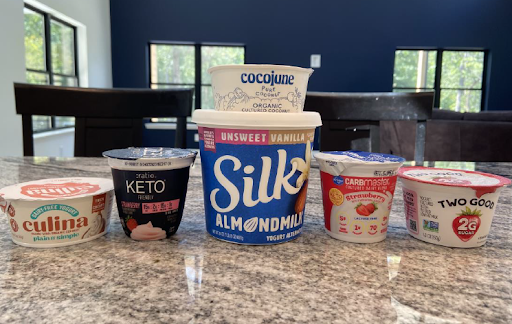
We dug into 6 “keto-marketed yogurts” that might be available in your area and determine if; 

1.) Are they truly suitable for a ketogenic diet?

2.) Can we alter them to make them higher in fat? 


We focused on a variety of different yogurts- some milk-based while others are nut-based (coconut and almond). We used coconut oil to add fat as well as pure vanilla extract and liquid Stevia to add some sweetness. We did some taste testing by adding strawberries and pecans. 

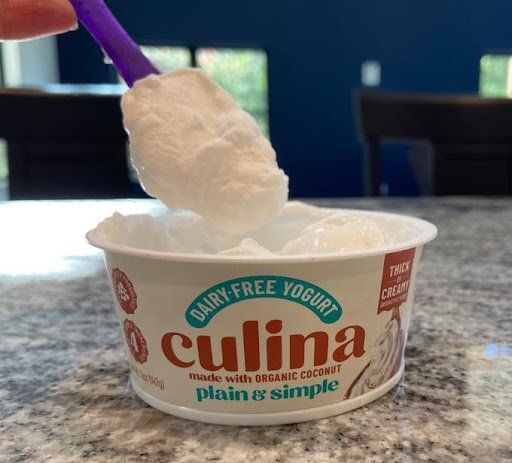
Culina Plain and Simple

  • Creamy, light but thick

  • Very mild taste – no sour taste 

  • Does not taste “tropical”

  • For 50 g serving, 1-2 drops of Stevia is enough 

  • High fat at a 5.75:1 ratio so it is easy to add carb/protein source to lower the ratio (a rare find) 

  • Great yogurt option that isn’t super high in protein like most keto yogurts 

  • This needs mixed – some harder areas with some thinner liquid underneath – kind of like coconut cream but lighter and less fat-tasting

  • Dairy-free option

  • Creating a 1:1 ratio: 50 grams yogurt, 97 grams strawberries (95 calories, 7 grams fat, 1.5 grams protein, 6 grams net carbs) 

  • Creating a 2:1 ratio: 50 grams yogurt 37 grams strawberries (78 calories, 7 grams fat, 1 gram protein, 2.5 grams net carbs) 

  • Creating a 3:1 ratio: 50 grams yogurt, 18 grams strawberries (73 calories, 7 grams fat, 1 gram protein, 1.5 grams net carbs) 

Silk Unsweetened Vanilla Almond Milk

  • Watery, thin, and mild flavor 

  • As a yogurt, it would need to be thickened with add-ins

  • May be a great option for keto baking as a substitute for regular yogurt

  • Brownish hue color

  • Dairy-free option

  • Unaltered = 1.5:1 ketogenic ratio

  • Creating a 2:1 ratio: 50 grams yogurt, 16 grams strawberries, 3.5 grams coconut oil (88 calories, 8 grams fat, 2 grams protein, 2 grams net carbs) 

  • Creating a 3:1 ratio: 50 grams yogurt, 15 grams strawberries, 7 grams coconut oil (120 calories, 11.5 grams fat, 2 grams protein, 2 grams net carbs) 

Two Good Strawberry

  • All flavors have 2 grams net carbs

  • Thicker yogurt similar to that of Greek yogurt

  • Lower in fat & higher in protein 

  • Absorbs coconut oil well

  • Uses Stevia to sweeten – slightly less sweet compared to the Ratio brand but more artificial-tasting 

  • Unaltered = 0.13:1 ratio 

  • Creating a 1:1 ratio: 50 grams yogurt, 2.5 grams coconut oil (90 calories, 7 grams fat, 4.5 grams protein, 2 grams net carbs) 

  • Creating a 2:1 ratio: 50 grams yogurt, 18 grams strawberries, 5 grams pecans, 9.5 grams coconut oil (150 calories, 14 grams fat, 4.5 grams protein, 2 grams net carbs) 

  • Creating a 3:1 ratio: 50 grams yogurt, 10 grams strawberries, 7 grams pecan, 14 grams coconut oil (205 calories, 20 grams fat, 5 grams protein, 2 gram net carbs) 

Ratio Keto Strawberry

  • All of the keto flavors have the same macros

  • Cultured dairy product with added probiotics 

  • Very sweet - uses Sucralose as the sweetener and beet juice as coloring agent

  • Pinkest color compared to the other artificially flavored strawberry yogurts tested 

  • It has added liquid fat, so the texture is the closest to a typical yogurt (not Greek)

  • Coconut oil whipped in well

  • Unaltered = 0.88:1 ratio 

  • Creating a 2:1 ratio: 50 grams yogurt, 15 grams strawberries, 4 grams pecans, 6.5 grams coconut oil (160 calories, 14.5 grams fat, 5.5 grams protein, 2 grams net carbs) 

  • Creating a 3:1 ratio: 50 grams yogurt, 6 grams strawberries, 4 grams pecan, 12 grams coconut oil (205 calories, 20 grams fat, 5.5 grams protein, 1 gram net carbs) 

Carb Master Strawberry (Kroger Brand)

  • Cultured dairy product, uses some actual fruit for flavor as well as sucralose

  • Macros vary between flavors

  • Best mouthfeel compared to other yogurts

  • Tastes more artificial compared to other yogurts

  • It is thinner in texture, but a smaller amount of liquid fat added could still work

  • This yogurt does have a few little bits of fruit within the container

  • Unaltered = 0.12 ketogenic ratio 

  • Creating a 1:1 ratio: 50 grams yogurt, 35 grams strawberries, 5 grams pecan, 3 grams coconut oil (96 calories, 7.5 grams fat, 4 grams protein, 3.5 grams net carbs) 

  • Creating a 2:1 ratio: 50 grams yogurt, 18 grams strawberries, 5 grams pecans, 8 grams coconut oil (136 calories, 12.5 grams fat, 3.5 grams protein, 2.5 grams net carbs) 

  • Creating a 3:1 ratio: 50 grams yogurt, 16 grams strawberries, 5 grams pecan, 14 grams coconut oil (188 calories, 18 grams fat, 3.5 grams protein, 2.5 grams net carbs) 

]CoCoJune

  • For those looking for some probiotics to aid with gut health, this is a great option

  • Plant-based and organic

  • Thinner in texture, so adding cream or a liquid oil would not work as well

  • It has no flavor or sweetener added, so adding a keto-approved sweetener is definitely recommended

  • Higher in fat, so mix-ins like berries and keto chocolate chips can help make this more palatable

  • Unaltered = 1.5:1 ketogenic ratio (flavored) & 3:1 (unflavored) 

  • Creating a 2:1 ratio using unflavored: 50 grams yogurt, 20 grams strawberries (88 calories, 8 grams fat, 1 gram protein, 3 grams net carbs) 

  • Creating a 3:1 ratio using unflavored: 50 grams yogurt, 20 grams strawberries, 4 grams coconut oil (124 calories, 12 grams fat, 1 gram protein, 3 grams net carbs) 

Recipe Tips:

  • Don’t buy yogurt in bulk until you know if your kiddo likes it. Yes, it saves you money in the long run, but you end up wasting it if it’s not liked.

  • If you add hard coconut oil into a cold yogurt, it will solidify and get chunky. If you melt the coconut oil and let it cool – it won’t resolidify. Whip the coconut oil into the yogurt. If needed, put it back in the refrigerator to help harden.

  • If you want to thicken the yogurt, utilize a hard fat at room temp (or at least when cold). If you want to thin out the yogurt, utilize a mild flavored oil like avocado oil, MCT oil, or cream.

  • It may take trying a few different yogurts until you find one your kiddo likes so don’t give up on the first try! 

Overall, my family really liked the Culina product. It was already the highest in fat (5.75:1 ratio) so we were able to add the most strawberries which in turn I think really helped with palatability. It really gives the most versatility to work with all different ratios and the countless fun things you can add are endless. For one of the lower ratio products, Two Good was a great option. They have a ton of flavor variety and to increase the ratio coconut oil was an easy addition. We would love to hear about your favorite keto-friendly yogurt so drop us a comment below! 


Disclaimer: This blog post is not sponsored and the opinions reflected in this article are our own. Availability of products at retailers is subject to change.