Going MAD one gift at a time

By Daisy Argudin

This is the gift giving time of the year. Whether you are the parent or a family member of someone on a version of the ketogenic diet, this gift guide is for you. You may not think of MAD (modified Atkins diet) or Keto as the inspiration for a gift list, but the reality is that this treatment should be celebrated as a life saver for many. There are items that can make things easier. There are things that are considered must haves. Best of all there are things that while not necessary can make meals more fun and life a little easier for everyone. Here are a few of our favorites. I haven't included specific brands as I find that for many of these items it’s more a matter of preference than any one brand being superior to another.

Measuring cups and spoons 

On MAD these are the single most used item in our house. I prefer stainless steel spoons and cups as they are easy to clean and durable.  I suggest you Have an extra set in your car. Car? Yes. I've been out and unavoidably delayed around lunch time with a hangry 6-year-old. I had to make up a meal on the fly in a grocery store and needed to buy an extra set to figure out the correct servings.  You may never use them but if you need them, you’ll be glad I suggested it if you ever do.   
Digital Scale 

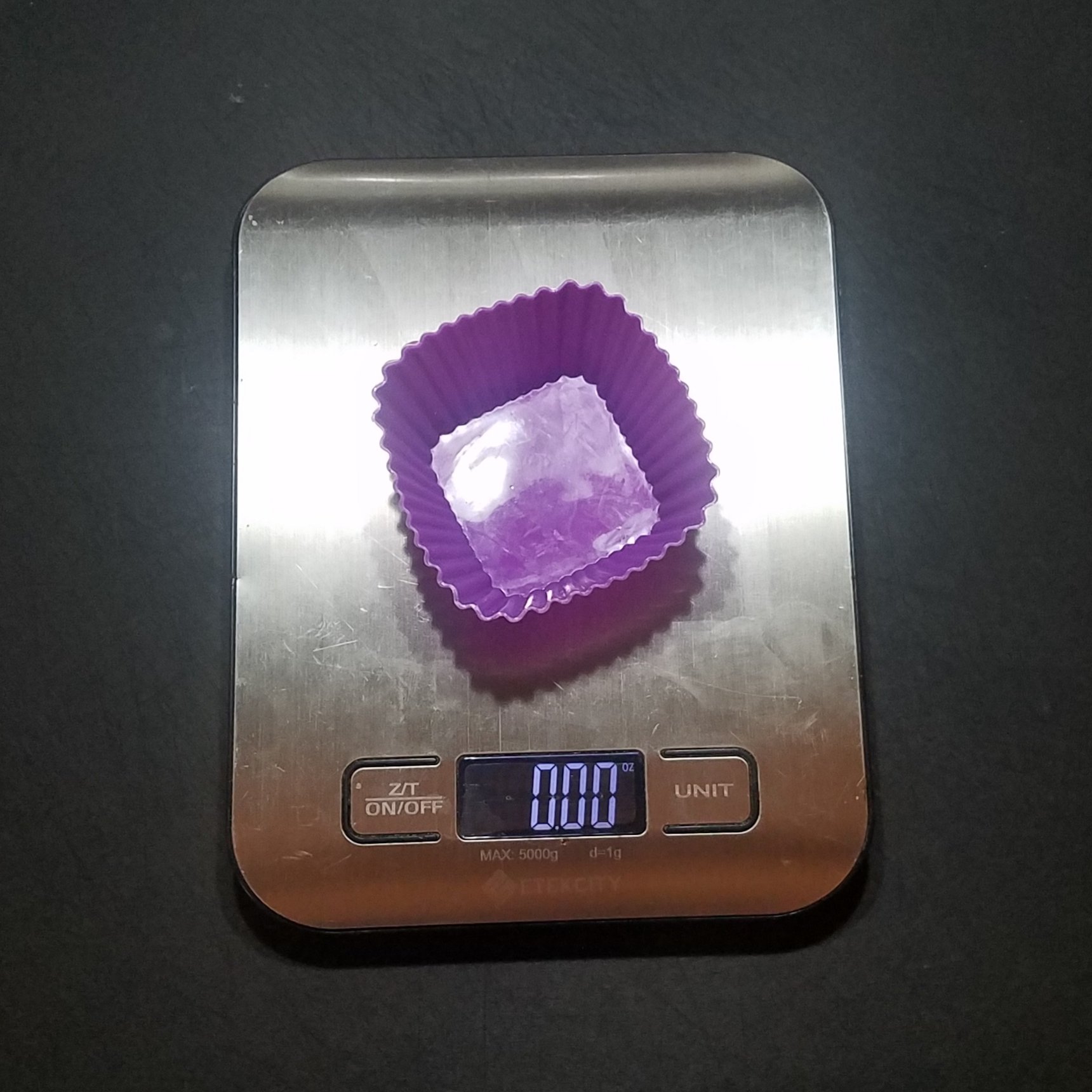
On MAD you may not have been told to use a scale to portion food but they are very useful.  My 7-year-old can help prep many of his meals with supervision using the scale.  When we buy premade food or mixes it makes figuring out correct portion sizes so much easier.  On the nutrition label they normally list the serving size in a form that can be weighed, often OZ (ounce) or G (grams) in the US.  it is very useful in figuring out portions of 1 pot meals. When eating out or traveling it is easier to use than measuring cups or spoons. You can put a small plate right on the scale to keep it clean and they are very portable.  

Silicone liners 

This simple little tool is a workhorse. They are very easy to clean and reuse.  Silicone liners are my top choice for baking.  Unlike the paper liners you don’t lose any of the oil you use in your recipes.  They are useful for holding pills. They can be used in lunch boxes to keep food separated. I use them on my scale to keep it clean when weighing different items.  They can be used as molds for fat bombs.

Rubber spatulas 

I never knew how useful a rubber spatula would be till we started MAD.  They are great for getting every single drop into your little one.  I like having several types because they serve different purposes. The longer thin one is useful for getting waffles out of the waffle maker and getting every bit of nut butter out of the jar. They are great for cooking, mixing, frosting and, more

Oil containers

Not every child will drink their oil but if yours does having these is so much easier than carrying around oil bottles and spoons. There are many options on oil containers. Some prefer a jar style. Some like the syringe style with a cap.  We like these squeezable ones because they are the easiest to use.  We have bigger ones that can be filled with a couple of doses and portioned out at meal time with a small measuring cup. We also have smaller ones that can be pre portioned and placed into a lunch box.

Fun kid plates and cups 

Being a kid on a diet of any kind can be very hard.  For many, they eat similar meals most days and they can begin to refuse food and meal time can become a struggle. Having a few plates and cups they can pick from allows them to feel like they have choices and some control. I know in our case when I offer dinner and tell my son to pick whatever plate he wants he gets excited, even if the meal isn't his favorite.  We prefer the kind with different sections, some are even made to be like a board game. 

Lunch box 

Whether your child is in school or not you'll need some way of transporting food. A thermos is a great way to transport heavy cream. I suggest you get the one with the wide mouth, it will be easier to clean. Lunch boxes seem to be one of those items where quality and cost go hand in hand. It may seem like an investment but some lunch boxes will last several years and are worth it. 

Spiralizer 

Some may think that these are only for zoodles, which are a great spaghetti substitute, but that’s not all. Vegetables are often a struggle for kids but making them fun can sometimes make them more tolerable. Zucchini is a good example; did you know it can be eaten raw? We often make salads with spiral zucchini and cucumber; the dressing provides necessary oils in a yummy way.  Carrots, jicamas, turnips and, broccoli stems can also be spiraled and eaten raw or cooked.

Silicone mold 

These molds have many uses. They are great for making fat bombs and chocolates.  I use them with plain gelatin and flavored water for treats. You can make ice cubes with flavor enhancers for when your little ones are sick.  The smaller molds can be used to make gummy candies treats that can be premade and enjoyed anytime. You can get them in many shapes and sizes which gives you many options on uses. 
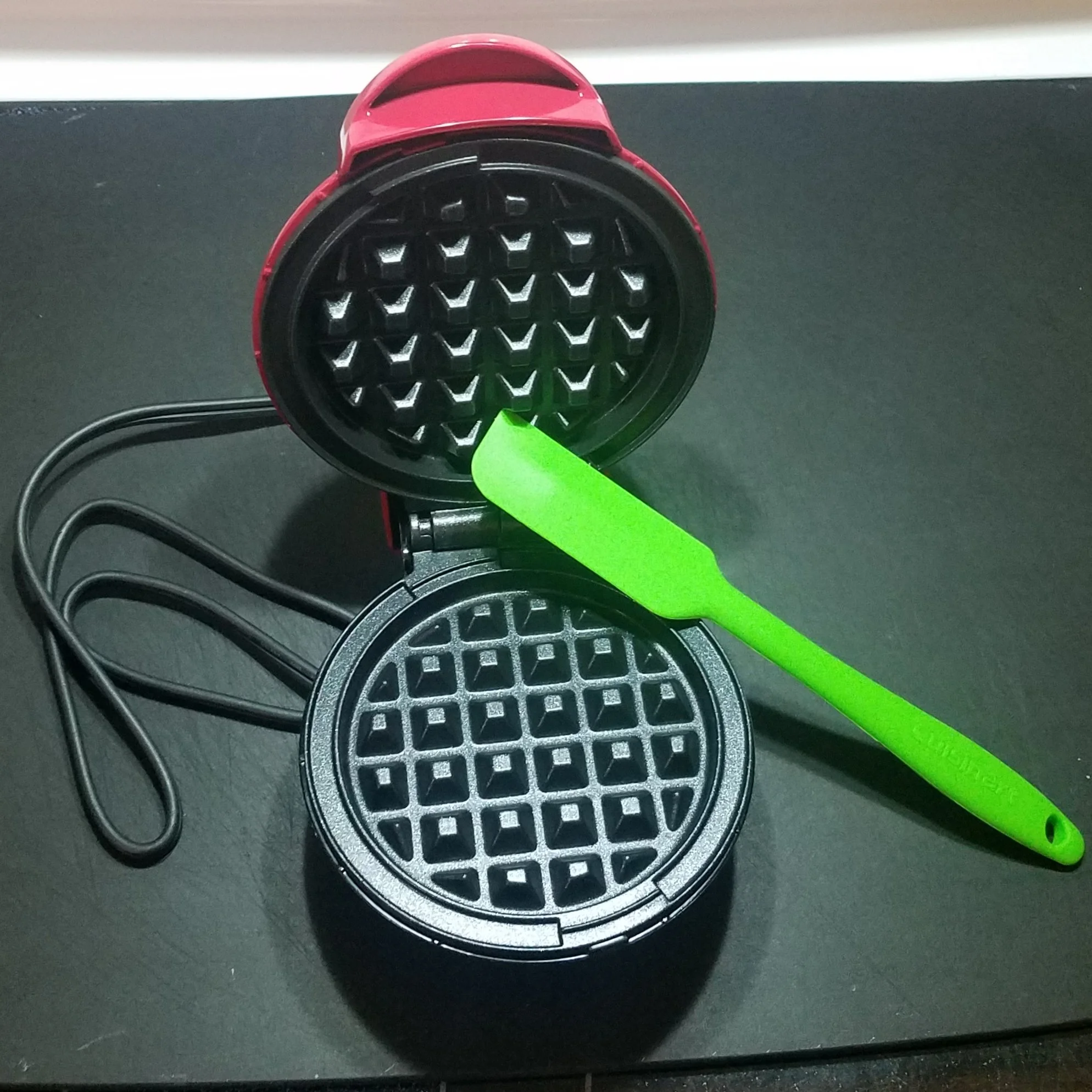
Mini waffle maker  

I didn’t think I would use this as much as I have. Low carb waffles are just the beginning.  Chaffels, waffles made with just eggs and cheese, are very popular. People use them as a bread alternative and as pizza crusts.  You can make low carb hash browns with turnips; I've seen some use cauliflower but haven't tried it myself. You can make eggs with bacon crumbles and cheese for a super-fast and yummy breakfast. 

Frother  

I use this little gem at least once a day. It works well at emulsifying fats and liquids, so they do not separate in your drinks.  It makes whipped cream with very little clean up. It will give you the fluffiest scrambled eggs. If you add protein to your drinks, it makes them creamier.  You can use it to make beautiful dressings. My keto kid loves Capuchinos with extra foam and cream. 

We hope this guide has given you some ideas. If your still not sure which item your keto loved one could use most, a gift card is always useful. Our social media this month will feature recipes that use all the tools we have included in our gift guide for inspiration, so keep an eye out. Share this with anyone you may know currently on or considering the ketogenic diet or modified Atkins for epilepsy, they may not realize how many useful tools are available to them.    

If you also love these item's, please share how they have been useful to you. If there is any item you feel we’ve missed please share them with us. We always look forward to your comments. 

I have not been compensated in any way for these items. My opinions are my own and honest. 

Urine, Blood, Breath Ketones: Which is Best?

Author: Laura Dority MS RD LD

Ketones, ketones, ketones! At every appointment, your keto dietitian is likely asking you about ketones…like a broken record.  What is the level? How often are you checking? Do you notice a difference in levels between “good” or “bad” seizure days? 

And maybe sometimes you are asking yourself, do ketones really help guide treatment?  Are we checking enough? Too much? Are we using the best form of ketone monitoring?   

Let’s dig into some of these questions. Please keep in mind that a lot of this blog is going to be strictly my opinion and personal experience with treating ketogenic diet patients. It doesn’t mean that if your keto program does it differently – that it’s wrong!  

Are Ketones Important?  

The easy answer – yes of course they are! However, you must always keep in mind that the ketogenic diet is treating seizures NOT ketone levels.  If someone walks into my clinic with a low level of ketones but not having any seizures, that’s awesome! I’m not going to change anything just because of a low ketone level or trace or even negative. I’m going to make my changes based on seizure control as well as all other clinical data which MAY include the ketone level!   

Some forms of ketogenic diet therapy – looking at you low glycemic index treatment –don’t even produce ketones in certain patients.  Something to keep in mind!  

Overall for most patients ketones are important but are not the end all be all.  

What is the Ideal Ketone Level?  

It’s 100% individualized. I have patients that do fantastic at a small ketone level while I have other patients that absolutely have to be in the large range. Why the difference? It’s really hard to say – maybe related to the specific cause of the epilepsy? Age? Weight? Metabolism?  Thankfully researchers are looking into this exact question!  

I certainly have some patients that need to be at a specific ketone level to have ideal seizure control. I have seen this situation specifically with GLUT 1 deficiency patients and Dravet Syndrome. Based on my observations these 2 subgroups of the epilepsy population tend to do best at higher levels of ketones.  

While I have other patients that the level of ketones do not seem to directly correlate with seizure control. For example, they may have a “good” seizure day at small ketones and then a “bad” seizure day with large ketones one week and then it completely flip-flops the next week.   

What is the Best Way to Check Ketones?  

There are three different ways to check ketone levels – each actually measuring a different ketone body. Let’s learn more about each and when I may recommend one over the other.

Option 1: Urine ketones


  • Measures acetoacetate 

  • Generally measured in trace, small, moderate or large but can also have a number associated with the reading (see photo above)  

    • Trace = 5 mg/dL   

    • Small = 15 mg/dL   

    • Moderate = 40 mg/dL  

    • Large = 80-160 mg/dL  

  • Advantages:  

    • Inexpensive  

    • Simple  

    • Non-invasive  

    • Many different brands (including available on Amazon) 

  • Disadvantages:  

    • Least accurate  

    • Shows the ketone level that WAS available for use (past by-product not a real time test) 

    • Impacted by hydration and other factors  

Option 2: Blood ketones

  • Measures betahydroxybutyrate  

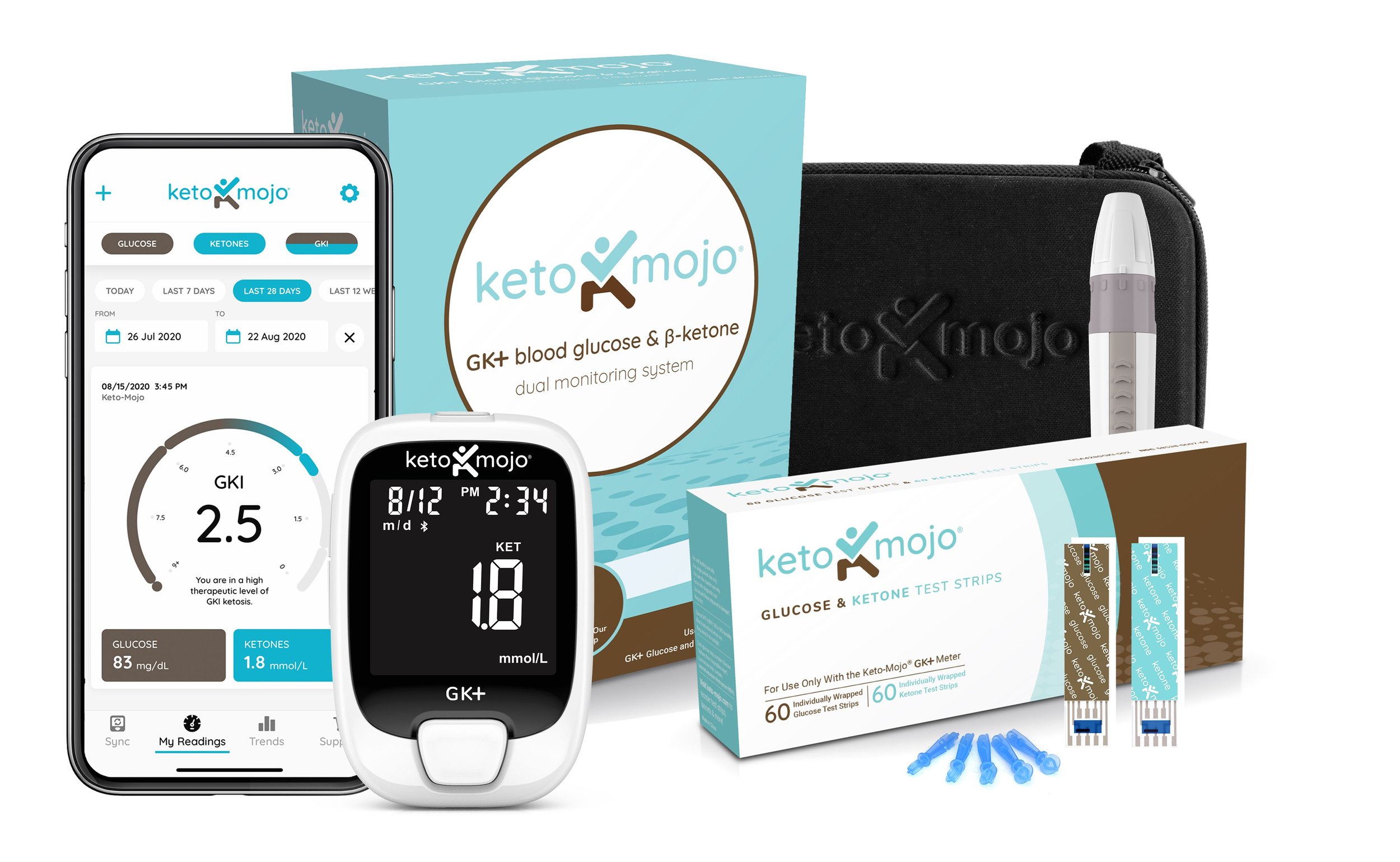
  • Recommended brand: Keto MoJo  

    • Company has excellent customer service, how-to resources, and FAQ on website.  

  • Advantages:  

    • Dual glucose/ketone meters available  

    • More accurate  

    • Levels are reflected in real time  

    • Not impacted by hydration  

  • Disadvantages:  

    • Potentially more expensive (cost of strips have decreased from $0.99/each to $0.80/each with the newest meter model) 

    • Lack of insurance coverage (newest meter may be eligible for FSA and HSA) 

    • Involves finger prick which can be painful and traumatic for some children  

Option 3: Breath ketones


  • Measures acetone 

  • Has been around for >100 years but not widely used in the epilepsy world at this time 

  • Recommended brand: Keyto 

  • Advantages:  

    • Non-invasive 

    • Simple  

  • Disadvantages:  

    • Expensive (one-time cost versus daily strips with blood meteres)  

    • Lack of insurance coverage  

  • Personally I do not have any experience using breath ketone meters in my patients, but I did find this article that was interesting and helpful.   

In my opinion, urine ketones are a good option for many of my patients who don’t need a very specific level of ketosis. For example a child that does well regardless if ketones are small or large versus a child who needs to be within a very specific ketone range of say 5-6 mmol/L depicted in blood levels.  

Patients with a consistent intake of water (g-tube fed kids for example) who get the exact same fluid and formula intake every day are also good candidates for urine ketones. In these situations, the variability of hydration isn’t a factor.    

On the other hand, patients that really need to be at a specific ketone level for seizure control may need a blood meter. Many of my GLUT 1 Deficiency Syndrome and Dravet Syndrome patients have meters for this exact reason.  

And finally, the reality is that cost can play into my decision! In most cases I’m already asking families to pay for supplements, a gram scale, specialized formula and food so if insurance will not cover a blood meter then urine ketones may be my only option.   

When I do have families measuring urine ketones in the home environment, I certainly do check their blood level in clinic every 3-6 months. From a cost perspective this does allow insurance to hopefully cover the lab draw and usually provides frequent enough information to tweak their keto plan appropriately.  

Utilizing both urine levels at home and blood levels from the lab can help you look at the big picture without unnecessarily pricking the child. Because the reality is we are already asking these children to eat a restricted diet – unique from their peers- and now we want them to prick their fingers on a regular basis?  I certainly know kiddos that wouldn’t bat an eye at pricking their finger and then I also know children that it completely traumatizes them. It’s a balance between getting the best data to guide treatment but also not causing pain or trauma if we don’t have too. Maybe that is where breath ketone meters really can play a role in the future!  

Overall, there isn’t a right or wrong – I have keto colleagues that only do blood meters while I have other keto colleagues that only do urine ketones. Beth Zupec-Kania, RDN, CD wrote a great blog titled “Checking for Ketones” a few years ago for the Charlie Foundation for Ketogenic Therapies that would be a great read to get another perspective on this topic. 

When Should You Check Ketones?  

Easy answer- however often your keto team tells you too! Seriously, they know your kiddo better than me writing this general blog on ketone levels!  

My thought process for my patients involves the following questions:  

  • How old is the child?  

  • How easy is it to obtain ketone levels (in other words- let’s not traumatize the small humans)?  

  • How much variability is in the diet? 

  • What form of ketone monitoring (blood vs urine) are we using?  

Generally, if I have a patient starting the diet I will ask for daily ketone levels so I can evaluate the transition into ketosis. On the other hand, for those kiddos who are stable and have minimal variety in their diet (for example kids on g-tube feeds), then weekly levels are adequate.  

Checking ketones during times of increased seizure activity may also be helpful. Scenario – A child who is normally in large ketones with good seizure control randomly has a dramatic increase in seizures. Parents check a ketone level and find the level is abnormally small. We can then go back and brainstorm any changes over the past few days to identify what potentially decreased the ketone levels and prevent in the future. We can also adjust the diet to get the ketones boosted quickly back to the large range.    

So at your next keto appointment when your RD and MD ask you – what have your ketone levels been……? Now you know that this is a loaded question and not as black and white as we would hope! If your team is asking you to check your ketone levels X times a week or month – please do so. The ketone level can provide good clinical insight and guide changes to the diet to better help your child’s seizure control.  

Disclaimers:  

Insurance coverage of ketone monitoring supplies will vary largely from state-to-state and insurance companies.  

We are not affiliated with nor did we receive any funding from ketone monitoring companies for this blog.   

This blog is not intended to be medical advice. This is strictly one ketogenic dietitians’ opinion. Please always follow your ketogenic diet teams instructions for all aspects of your ketogenic diet including ketone monitoring.  

Growing Pains

103.jpg

By Jessica Lee

We started our ketogenic journey when our daughter was an infant and while it felt strange to travel with extra cans of keto formula or bring a scale to a restaurant, having a very young child with a disability can sometimes be a little easier because sympathy is more readily expressed by strangers. Once your child starts growing up, new environments mean new challenges. While our daughter is no longer on the diet, we do keep a tight rein on her nutrition in general and even that can sometimes feel like a struggle as she sees other kids at school and their versions of lunches and snacks. 


In talking to another mom of a keto kid, she brought up the issue of bullying and social isolation when kids get older, specifically in middle and high school. Such a delicate time period for our children’s development and critical to their self-esteem, yet there aren’t many resources out there to support kids on medical diets.  Add to what we remember as kids the new area of cyberbullying and one can easily feel helpless.  


The CDC defines bullying as “any unwanted aggressive behavior(s) by another youth or group of youths who are not siblings or current dating partners that involves an observed or perceived power imbalance and is repeated multiple times or is highly likely to be repeated. Bullying may inflict harm or distress on the targeted youth including physical, psychological, social or education harm.” 

 Estimated rates of bullying are anywhere from 7-31%. 

 Victims of bullying are at increased risk for depression, anxiety, relationship problems, poor health, poor academic performance, and suicidal ideation/attempts.  

Boys, minorities including LGBTQ youth, overweight, youth with ADHD/autism/learning disabilities, youth with epilepsy and food allergies are more likely to experience bullying.  

While we all hope we have instilled confidence in our kids that will carry them through tough times, here are some tools to help in those hard moments.  

Protective factors include parent connectedness and positive parenting as well as empowering children with skills to handle bullying.  Here are some steps to empower your keto kid! 

  1. Ensure safety-talk with your child about the situation to determine if there is any physical harm or concern for suicidal ideation (and contact authorities when appropriate)

  2. Build skills 

    a. Role playing-children can learn how to respond to a bully  Ex) Look directly at the bully, speak in a firm loud voice “You don’t scare me”, “Be cool and stop this”, or “Why are you talking to me?” 

    b. Walk away with your head held high and tell a teacher or parent 

    c. Consider bringing a keto snack to have your child share with the rest of the class (something yummy!) 

    d. Cyberbullies-Don’t respond, keep evidence, block the bully, talk to a trusted adult and report it to school 

  3. Empower adults and kids to step in 

    a. When bystanders intervene, 57% of episodes cease within 10sec 

    b. Increase awareness by promoting empathy toward victims 

    c. Condemn the behavior, not the bully 

    d. Have a talk with your child’s teacher to learn what they are seeing at school and work together 

If you feel your child is being bullied and needs further attention, consider talking to a local counselor or therapist about helping.  

Remember you are not alone! We have families ready to help with our Keto Friends network. While we are often matching parents, we have older kids and young adults who would be happy to talk to an older child who is struggling.  Our keto community is strong and growing! 


Sources include CDC, American Academy of Pediatrics, Contemporary Pediatrics 

Keto Shopping at Aldi

By Daisy Argudin

photo credit Aldi.com

photo credit Aldi.com

Often foods that are marketed specifically for the ketogenic diet also come with a hefty price tag. If you haven't visited an Aldi store, you should. They have a great selection of keto items at very reasonable prices. None of their items have synthetic colors, added MSG’s or, partially hydrogenated oils. Their Simply Nature items are all non-GMO and many of them organic. They have a great guarantee that allows you to return an item, even if you tried it, and they will refund your money and replace the item. So, you don’t have to worry about trying something new and it being a fail.

They carry a variety of keto staples. From the moment you walk in you are greeted by a vast section of nuts and seeds. They have a vast variety of oils, our go to’s are the coconut and avocado oils, both cheap and organic.

20210909_163433.jpg

The pure Irish butter is very similar to Kerry Gold but much cheaper. The fruits and veggies are always fresh. We use their organic pre-cut washed kale all the time for kale chips and if it gets close to expiring, we freeze if for smoothies. Avocados, do you even go in a store and not buy an avocado? Well, theirs are always cheaper than our other local stores. Some stores carry them precut and frozen, which makes them very versatile. Aldi has a huge selection of meats. We always get our grass-fed beef and organic ground lamb, for extra carnitine, here. The lamb at Aldi tends to be about half the price of other stores and we eat a lot of it. The cheese section is to die for. They carry many different types, many of them imported from all over the world. Smoked gouda is the best, a buttery cheese that tastes like it has ham in it, yum!

20210912_015303.jpg


The sugar free uncured bacon is so good. They have many types of meat and cheese trays, which are always a good choice to grab and take to a gathering.

20210912_015456.jpg

The uncured Hotdogs are great for those days when you need a quick meal. The macros work well for us Fat 11g, net carbs 1g and, 7g protein. They have been a good option when we travel and microwave them in our room. Cut the hotdog in half, place it in a cup of water and, boil it for a minute or 2, drain and serve. 

20210912_015341.jpg

One of our favorite meals includes Edamame (soy) noodles. The texture is very similar to wheat pasta. The macros on the label for 2 oz of the pasta uncooked are 3.5g fat, 7g NC and 24g protein. We normally use 1 oz of pasta and make a yummy pesto to go with it. The pesto consists of greens (spinach, kale, basil) olive oil, salt, garlic, and sometimes almonds or another mild nut, blended together. They also have a black soybean option with similar macros but my son isn't a fan of the black noodles. 

20210912_014540.jpg

In my keto kid's opinion, the keto breads are the best thing Aldi carries. They have burger buns which are delicious keto or not.  The whole bun has just 2 net carbs! There is also a 0 Net carb sliced bread. The bread is nice to make French toast with. Lots of butter and our mock syrup made with MCT oil, maple flavoring, and a few drops of stevia complete the meal. They also carry keto bagels that aren't dense like some keto bagels and taste great with a little cream cheese and everything bagel seasoning on top.  We realize not everyone can have these because it can lower your ketones but they are a great treat for those who can.  

20210912_223233.jpg

The single serving guacamole is delicious with the Aldi pork rinds for a balanced snack. They are a good size with 10 g of fat, 2g net carbs and, 1 g protein per serving. We like that they are single serving so we never have brown guac. 

photo credit instacart

photo credit instacart

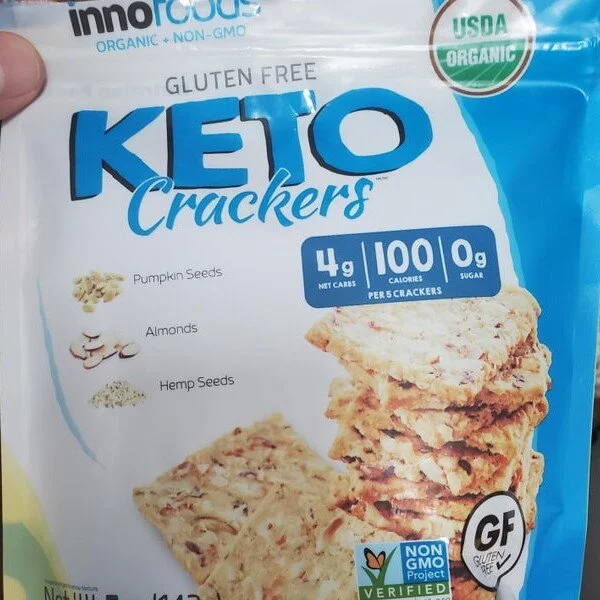
Aldi carries keto crackers that are very satisfying and have great ingredients like pumpkin seeds, almonds, and hemp seeds. They are higher in carbs with 5 NC per serving of 5 crackers, but for a small child a couple of them is enough.  With 3g protein and 7g of fat you will likely need to pair them with a fat source as part of a meal.  

keto crackers.jpg

These keto cookies are amazing and 0 NC, when you subtract the 6g od sugar alcohol and 3g of fiber. They wouldn’t be something to have every day but a few here and there would make a keto kid very happy.     

20210912_015059.jpg

Remember to always try new foods one at a time so that if your child has an increase in seizures, it may be easier to pinpoint the cause. If an item in store isn’t in the keto calculator you can ask your dietician to add it. If you happen to have an Aldi within driving distance it may be worth the trip to try some of these items for your family.   


All opinions expressed in this post are my own and I have not been compensated in any way.

Snack Attack: What’s in Your Pudding?

By: Laura Dority MS RD LD and Daisy Argudin (mother extraordinaire)

Have you been looking for the perfect keto pudding or gelatin dessert?  Well you are in luck because this month the Keto Hope team tested out the Simply Delish brand of pudding and Jel desserts and they did not disappoint. Let’s dig in…… 

The company mission is “to create delicious, healthy, desserts that can be enjoyed every day, everywhere by everyone.”  That is a mission statement I can get behind!  

The Simply Delish products are:  

  • Vegan 

  • Sugar free 

  • Gluten free 

  • Plant based 

  • Nut free 

  • Gelatin free (making it plant based)  

  • Non-GMO 

  • Sweetened with Stevia & Erythritol  

  • Ethically sourced ingredients 

  • Allergen free: Do not contain the 8 most common allergens including peanut, tree nuts, sesame, wheat, dairy, egg, soy and fish  

blog1.png

We went on-line and “Built a Box” which was great because it allowed us to mix and match the puddings and jel options to get a variety of flavors.  A pack of 14 boxes (each individual box having 4 servings) was ~$42.00 (so ~ 3 bucks per box).  Shipping was free for orders over $30. The products are also available on Amazon.   

Jel Desserts:  

  • Flavors: Strawberry, Peach, Black Cherry, Orange, Raspberry, Lime, Unflavored 

  • Nutrition: 1/4th package (4 servings per container): 5 calories, 0 grams fat, 4 grams total carbohydrates, 4 grams sugar alcohols, 0 grams protein, 0 grams net carbs 

  • Ingredients: Erythritol, carrageenan, citric acid, potassium citrate, natural flavor (beet, beta carotene), natural flavor, stevia extract 

  • Sweetened with erythritol and stevia 


blog2.png

Sugar Free Jello-O® at the same portion size has 10 calories, 0 grams of total carbs, 0 grams fat and 1 gram of protein which at initial glance does not seem to bad but where the big difference lies is in the ingredients. Sugar Free Jell-O® ingredients include gelatin, adipic acid, disodium phosphate, maltodextrin, fumaric acid, aspartame, artificial flavor, acesulfame potassium, salt, and red dye 40.  Maltodextrin, aspartame and acesulfame potassium specifically are ingredients I try to steer away from, and some epilepsy patients may be particularly sensitive to artificial flavors and dyes as well.   

The company has a large recipe collection on their website including a Keto Strawberry Jel Cups that uses sour cream as a great high fat ingredient & Low Carb Broken Glass Jel Dessert with heavy cream. They also sell brick and honeycomb molds on their website so you could make little gel/gummy candies. You can also buy different mold shapes on Amazon- such as these little dinosaurs I got for my boys.   

Our super taste tester Jonah liked the taste of the jel but felt the texture was more like jelly versus an actual gelatin dessert.  He actually mixed it with a small amount of sun butter and loved it. A sugar-free jelly?  Yep – we will take it! We found that if you use a little less water then you get more of the usual gelatin texture. 

20210723_174819.jpg

Instant Pudding –  

  • Flavors: Chocolate, Banana, Strawberry, Vanilla 

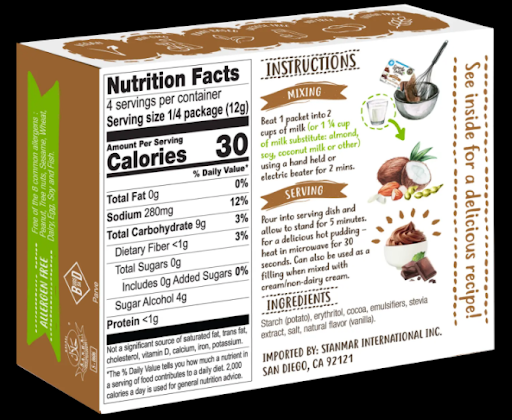
  • Nutrition: 1/4th package (4 servings per container): 30 calories, 0 grams fat, 9 grams total carbs, <1 gram fiber, 4 grams sugar alcohol, <1 gram protein (~4.5 grams net carbs)  

  • Ingredients: Starch (potato), erythritol, cocoa, emulsifiers, stevia extract, salt, natural flavor (vanilla)  

Okay so you are probably thinking at this point- hmmmmm these really aren’t so keto friendly with 9 grams of total carbs (subtract the fiber and erythrol to get to 4.5 grams net carbs).  But wait…it’s all about what liquid you add.  Remember the nutrition label is just for the powder – it doesn’t count the final -put in your mouth- product.   

The company has a great video on how to make the pudding.  They suggest adding 2 cups milk or 1 ¼ cup milk substitute such as a nut- based milk which would be keto friendly if you went with unsweetened almond or coconut milk. Keep in mind the nut-based milks do not add any fat or many calories. You would likely pair with some avocado, a fat bomb, or whip in some olive oil to add the necessary fat on a keto diet.   

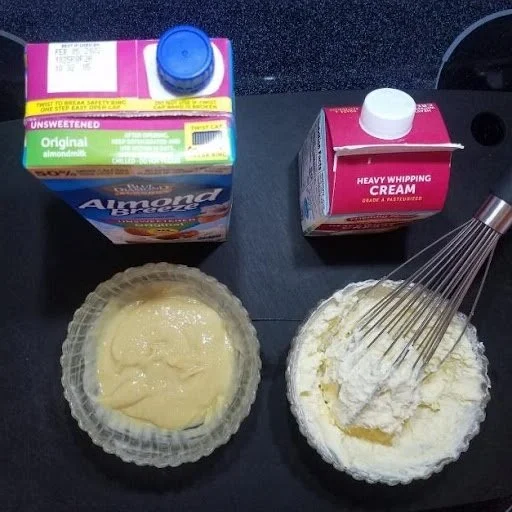
When we trialed the product, we followed the box instruction exactly and used 1 ¼ cup unsweetened almond milk and another box we mixed with 2 cups of heavy cream.  The trial using almond milk truly came out just like a pudding texture but wasn’t quite as tasty as the one with heavy cream. Next time we may use the vanilla unsweetened almond milk option! After tasting all of them, the chocolate flavor was Jonah’s favorite. 

blog4.jpg

The heavy cream product from a texture perspective was more like a whipped butter or buttercream frosting….delicious! It would be great for decorating keto cupcakes or a keto birthday cake.  Oh, and did I mention this all took less than 5 minutes and didn’t require refrigeration for the product to set.  

blog5.jpg
blog6.jpg

So when analyzing our recipes for nutritional facts:  

Recipe 1: 1 packet of Simply Delish Banana Pudding + 1 ¼ cup unsweetend original almond milk (makes ~ 4 - ~1/3 cup servings per box)  

  • Calories: 34 

  • Fat: ~1 gram  

  • Total carbs: 9 grams  

  • Net carbs: 4.5 grams 

  • Protein: 0 grams 

  • Keto Ratio: 0.2:1  

Recipe 2: 1 packet of Simply Delish Banana Pudding + 2 cups of heavy cream (makes ~4 – ½ cups servings per box)  

  • Calories: 436  

  • Fat: 44 grams 

  • Total carbs: 12 grams 

  • Net carbs: 8 grams 

  • Protein: 2.5 grams 

  • Keto Ratio: ~ 4:1  

Clearly these recieps are rather different from a nutritional perspective! The recipe using almond milk is more of a low calorie snack you would pair with another fat source while the heavy cream option provides a hefty calorie and fat boost! You could certainly meet in the middle though for the best of both worlds.  You could use 1 cup of heavy cream and ½ cup of unsweetned almond milk.  In fact… I think that’s a great idea. That recipe would give you 233 calories, 22 grams fat, 11 grams total carbs, 6 grams net carbs and 1 gram protein for a 3:1 keto ratio.  Why don’t you give it a try and leave us a comment on how it turned out! Get Your Pudding On!!  

We were not compensated for this review in anyway. Our opinions are our own.

Oodles of Noodles

By Jessica Lee

blog1.jpg

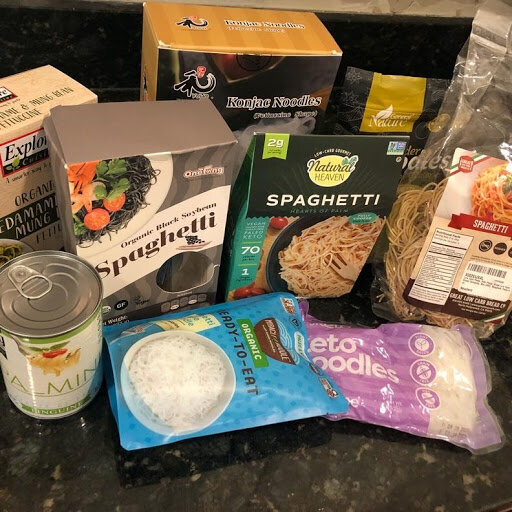
Take away carbs and one of the first thing people ask is “What about pasta??”  Whether you grew up on spaghetti-o’s or your grandmother’s homemade meatballs and spaghetti, pasta is in our DNA.  I’m not sure I’ve ever met someone who doesn’t like pasta. (Pizza-sure, bread-maybe, but pasta? Nope.)  So for keto kids (and adults) what do we do?  We all know about zucchini noodles and spaghetti squash but sometimes you need something a little closer to home. 

So you go looking for pasta but are bombarded by advertising clichés on the boxes like “keto friendly”, “low carb”, “gluten free”, “zero carb”, “noodle substitute” and “as seen on Shark Tank”.  But have you actually read the labels? What are these? Noodles…poodles…koodles?? 


Remember there is no “keto” certification these products have to meet, it’s all advertising so please, please read your labels.  Most of the time, these products are low carb but may not be appropriate for a ketogenic dieter. Where is the fat? How much protein (which can kick you out of ketosis or prevent you from reaching therapeutic ketosis)?  I will go ahead and skip to the ending. NONE of the traditional pasta substitutes is truly a stand-alone keto product because none of them have adequate fat. The good news? It’s EASY to add a high fat sauce. Creamy alfredo, zesty pesto…we even did a dairy free pasta sauce on our blog last month!

Ok let’s get to the good stuff. We did a taste test and ordered these all from Amazon.  I don’t usually grocery shop on Amazon but I thought this way I know the products are available to everyone.  You know I love my Trader Joe’s but they aren’t in every neighborhood so…  Anyway, the pricing reflects the fact that I had to often order 2 packs or 6 packs. And isn’t it awful when you order 6 bags of noodles and realize you hate them and have to throw it all out?  We are here to help you sort through the options, so you don’t have to!

Let’s talk categories first:


Non-nutritive: These are the konjac noodles, palm noodles and yam fiber.  They are essentially fiber only. So it’s really about what you top them with.


-What is konjac by the way? Also known as glucomannan, it is an herb that grows in parts of Asia. It’s known for its starchy corm, a tuber-like part of the stem that grows underground. The corm is used to make this rich source of soluble dietary fiber.  Since it is high fiber, it may have gastrointestinal side effects such as bloating, diarrhea, gas, nausea, or cramping. 

Protein based: These are the bean based and pulse versions.  Some, like chickpea and lentil, still have a lot of carb so they weren’t included in our review. We looked mainly at soy based and pea protein. They are high in protein but low in carb and fat, so you either need to have a fat based sauce or be on a modified Atkins diet where you mostly deal with counting carbs. 


-Pea protein…the new kid on the block. Heard of Beyond Burger? That’s pea protein. It’s an extract from split peas but so processed that is likely has lost all nutritive benefit. 

Ok so the adults tried these sans sauce to get the full experience, the kids had pesto on theirs. 

Disclaimer-These recommendations are for our ketogenic community but may not be appropriate for every individual. 

blog2.jpg

1. Yuho Konjac Noodles

Nutrition per serving: 5 calories, 0g fat, 0g net carb, 0g protein

Ingredients: Water, konjac powder, calcium hydroxide

Price per serving: $2.25

Verdict: Very rubbery, a little bitter.  Both kids spit it out. 

blog3.jpg

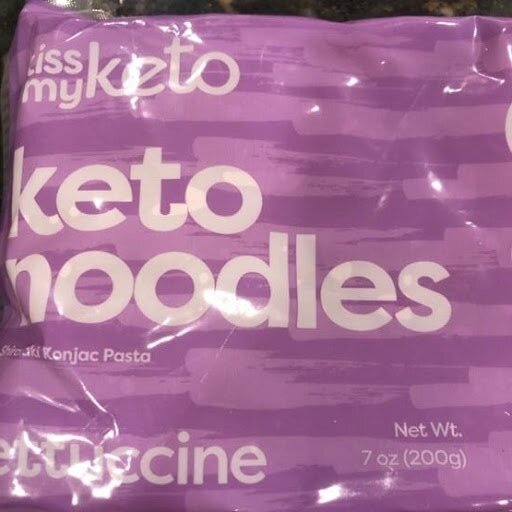
2. Kiss My Keto fettuccini noodles

Nutrition per serving: 5 calories, 0g fat, 0g net carbs, 0g protein

Ingredients: Purified water, konjac flour, limewater

Price per serving: $4.16

Verdict: My son was surprised by them, in a good way-he ate a few more bites without prompting. These were definitely the best of the “konjac” group.

blog4.jpg

3. Miracle Noodle spaghetti

Nutrition per serving: 5 calories, 0g fat, 1g net carb, 0g protein

Ingredients: Water, organic konjac flour, citric acid

Price per serving: $1.85

Verdict: Rubbery, nearly elastic; hubby spit it out

blog5.jpg

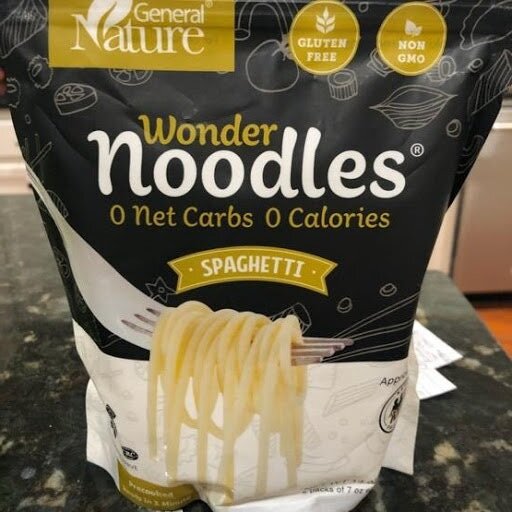
4. General Nature Wonder noodles spaghetti

Nutrition: 0 calories, 0g fat, 0g net carb, 0g protein

Ingredients: water, yam fiber, lime, oat fiber

Price per serving: $1.07

Verdict: Rubbery, tasteless (but not in a bad way?), neither kids liked it but they didn’t spit them out (which is saying something given the other ones!)

blog6.jpg

5. Palmini linguine

Nutrition per serving: 20 calories, 0g fat, 2g net carbs, 1g protein

Ingredients: Sliced hearts of palm, water, natural sea salt, citric acid

Price per serving: $2.50

Verdict: Sour, salty, stringy. Even I spit these out.

blog7.jpg

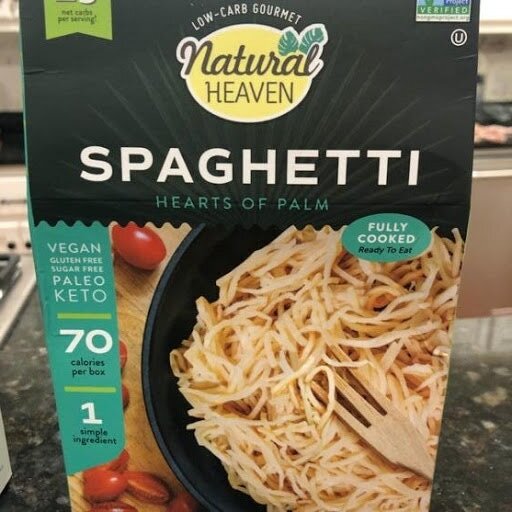
6. Natural Heaven spaghetti

Nutrition: 25 calories, 0g fat, 2g net carbs, 1g protein

Ingredients: Heart of palm

Price per serving: $3.16

Verdict: I thought these were ok, less sour compared to the other heart of palm ones; my husband and son both spit them out.

blog8.jpg

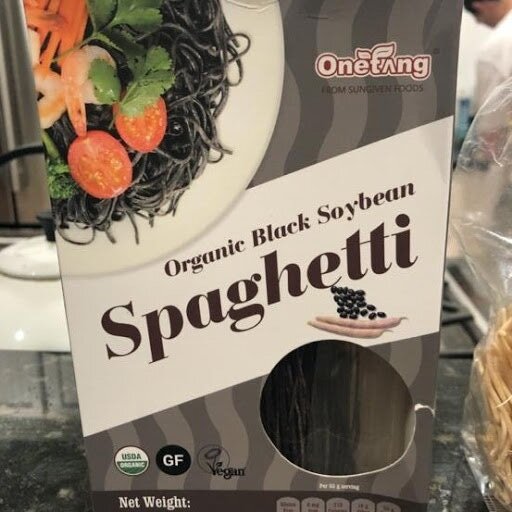
7. Onetang Organic Black soybean spaghetti

Nutrition per serving: 210 calories, 4g fat, 8g net carbs, 25g protein

Ingredients: Organic black soybeans, water

Price per serving: $1.46

Verdict: Both kids said “mmm, yummy!” but my husband felt they were stringy.  This was my daughter’s favorite!

blog9.jpg

8. Great low carb company spaghetti

Nutrition: 110 calories, 1g fat, 7g net carbs, 18g protein

Ingredients: Pea protein isolate, oat fiber, wheat fiber, egg whites, wheat gluten, seminola

Price per serving: $2.38

Verdict: I felt like there was a funny aftertaste but my son and husband felt this was the closest to “real pasta”. It definitely had the dense yeasty pasta like feel and was my son’s favorite.

blog10.jpg

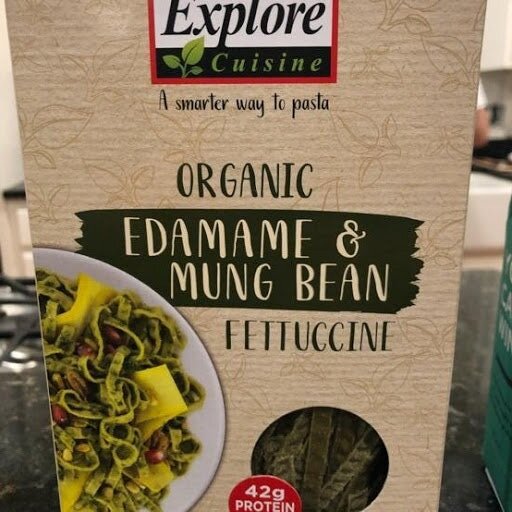
9. Explore Cuisine Organic Edamame and Mung bean fettuccini 

Nutrition: 180 calories, 4g fat, 6g net carbs, 24g protein

Ingredients: organic edamame bean flour (green soybeans), organic mung bean flour

Price per serving: $1.07 per serving

Verdict: My husband’s favorite!  In fact, he asked if we can start substituting these in our pasta dishes. Very similar mouth feel to a wheat pasta. Both kids liked it and finished the serving!

-Non-nutritive Winner…Kiss my Keto noodles (#2)  No question, the only konjac variety my kids ate. The directions did have me boil the noodles first (compared to the other directions not having this step) so that may have been the difference. The palm noodles are just not even close. 


-Protein based Winner…Tie between the Black soybean (#7) and Edamame/mung bean (#9).   I chose these two over the great low carb protein version because they are less processed overall, have more fat, and with a friendlier price. 

Let us know what you think!

*This post is not sponsored; all products were purchased (not gifted) and all opinions are my own. 

Dairy Free Keto Magic

By Daisy Argudin

The ketogenic diet is considered to be a highly restrictive diet. When you have to, or choose to, go dairy free it can be a bit overwhelming. When you search for new food ideas most of the time, they will contain dairy. Heavy cream is a daily fat source for many. Previously we shared some of the dairy alternatives we use daily. I suggest you read that post if you haven’t already, “Dairy Free Keto is that even a thing?

Today I will show you how you can make a web recipe dairy free.

I’ve found 2 ways to do this. One, I look for vegan recipes that I can adjust to make them keto friendly. Two, I search keto recipes that I can adjust to be dairy free. Dose this always work? No. If you follow us regularly you might remember our muffin recipe that when adjusted to be dairy free ended up tasting like tuna, still not sure where that went wrong. Some recipes need ingredients for certain reasons, so get to know your ingredients to see what an adequate alternative might be. For example a chia or flax egg might work in a recipe but you can’t use it to replace an egg alone. I always make a small batch when trying a new recipe. Since it may not work, I don’t want to have a lot to toss or a lot I’ll have to eat myself cause my keto kid won’t touch it.

Let’s begin with a vegan cream sauce that we have used in the past. My mac and cheese loving non-keto kid asks for this regularly so you know it’s good. We found this recipe for vegan alfredo cream sauce on the Silk site.

Here is the ingredient list on the site:

203708033_4329008500495408_5121999664491409400_n.jpg

INGREDIENTS 

  • 1 PACKAGE SILKEN TOFU (THE KIND IN THE SHELF-STABLE TETRA PACKS) 

  • 2 CUPS SILK ORGANIC UNSWEET SOYMILK, UNSWEET ALMONDMILK OR OATMILK

  • 1/2 CUP VEGAN MARGARINE 

  • 1-2 TBSP LEMON JUICE OR WHITE WINE 

  • 2 TBSP ONION POWDER 

  • 1 CRUSHED GARLIC CLOVE 

  • 1-2 TSP SALT 

  • 1-2 TSP BLACK PEPPER (TO TASTE) 

  • PINCH OF NUTMEG 

  • 3 TBSP CORNSTARCH DISSOLVED IN COLD WATER 

  • FAVORITE HERBS 

Most of these ingredients are keto friendly other than oat milk and cornstarch. We use 2c. unsweetened original almond milk. Xanthum gum can be used in place of cornstarch, I did 2 tsp. Check the constancy before adding more, you may decide that your sauce is fine without the thickener and leave it out completely, it wont affect the taste. Agar agar could also work but has slightly more carbs.

Preparation (as written): 

  • Blend tofu and Silk in food processor or blender until creamy. 

  • Melt margarine in saucepan and add all other ingredients except cornstarch. Heat over medium-low until hot, stirring often. 

  • Whisk in cornstarch mixture and heat until just bubbling, allowing sauce to thicken. 

  • Heat until thick, but don’t let it come back to a boil. Once mixture reaches desired consistency, add chopped fresh parsley, basil, chives or other herbs as you like. 

  • Pour over pasta, rice or potatoes and enjoy! Also super good with some sautéed veggies, mushrooms, chopped Kalamata olives or your favorite vegetarian protein. 

203699981_390798802362114_767114430893170729_n.jpg

I Normally blend everything together except the xanthum gum and heat it on the stove. Once it begins to simmer, I lower the heat and add the 1 tbsp of xanthum gum and allow it to thicken. We server this over zoodles or spaghetti squash, either one is 1 net carb per 100g. With the adjustments listed each serving (6) is only 4.3 NC, 17.6g fat and, 5.5g protein. You could add some ground lamb to up the protein and add much needed fat and carnitine.

205708392_328400088815340_515005429374612208_n.jpg

Now for dessert/fat bomb. This is a keto recipe that we have to adjust to be dairy free.

Keto Connect has a great recipe for keto cheesecake fat bombs.   

203100909_981083686044566_6046900423633852286_n (1).jpg

Ingredients: 

  • 1/2 cup Full fat cream cheese, at room temperature (4 oz) 

  • 1/4 cup Unsalted butter 

  • 1/4 cup Heavy Whipping Cream  

  • 2-3 tbsp Powdered Erythritol 

  • 1 tsp Vanilla Extract  

  • 1 tsp lemon zest Optional 

I replaced the 1/2c of cream cheese for 1/2c Kite hill almond cream cheese. The Butter was replaced with vegan butter 1:1. For the heavy whipping cream you have a few choices. You can use coconut cream, silk almond heavy cream or, you can replace it with 2 parts dairy free milk and 1 part oil. We used the milk and oil, since that is what we had.

207485043_285873889989847_7440652852010730902_n (1).jpg

Instructions (as written): 

  • In a large bowl, add the cream cheese and butter. Using a hand blender, whisk until combined and no lumps remain. 

  • Add the heavy cream and whisk until light and fluffy. 

  • Add the erythritol and vanilla extract, and whisk until combined. 

  • You can use this mixture for the fat bombs, or you can carry on to add more flavoring. For this recipe we decided to add 2 tbsp of blended strawberries and lemon zest. Fold in a manner to achieve ribbons. 

  • Freeze the mixture for 30 minutes to allow it to firm up. 

  • Once firm, use a cookie scooper to shape the fat bombs into balls. Place in a cupcake silicone mold, or a lined cupcake tin. 

  • Freeze for 1-2 hours to allow them to firm up properly. 

  • Enjoy them as is or dip it in chocolate or shredded coconut. 

  • Store in a ziploc bag in the freezer for up to 2 weeks. Take them out 10 minutes before eating to allow them to soften a little bit 

206079334_2611061002528220_1600457242299885019_n.jpg

I Followed the directions as written making the adjustments listed above so they were dairy free. We didn’t add in the fruit but did add the lemon zest. They were so good I've had to hide them from the family so that the keto kid could enjoy them. The macros for 1 of the 8 servings are 0.6 NC, 9.6g fat and, 0.9g protein.

204491383_132295925652145_4066419123670200117_n (1).jpg

I hope that this has helped you to see that dairy free keto doesn’t have to feel impossible. It will require some work on your part but most keto families already meal prep at home and are awesome at making keto magic with their meals.

All view expressed are my own, I have not been compensated in any way for my opinion.

204319447_800063867315991_5048034136689452231_n.jpg

The Ketogenic Diet through the Eyes of a 7 Year Old

Featuring Super Star: Jonah and Daisy Argudin 

Interviewer: Laura Dority MS RD LD 

We had the privilege of interviewing one of my favorite patients - Jonah recently. Our goal was to dive in and really get an understanding of what the ketogenic diet means for a 7 year old.  We did provide him with the questions ahead of time so he could prepare his answers and not be so nervous but ultimately these are uncoached answers that were not altered by an adult! The innocence and honesty of a child is truly amazing! His mom, Daisy, also joined us on the interview to answer a few of the more technical questions.  We would love for you to  watch, it’s a short 20 minutes but if you do not have that option I have also included Jonah’s answers to our questions below.  

Meet Jonah

jo1.jpg

Jonah is a 7 year old with absence epilepsy. He was diagnosed at age 4 and has since found incredible seizure benefit by following a ketogenic diet – specifically a modified Atkins approach. To make a restrictive diet even more complicated, Jonah is also allergic to dairy and eggs.  Despite these challenges, Jonah and his family slay the diet and are an inspiration.   

Why are you on the keto diet and how does it feel to have a seizure?  

Jonah: It helps my epilepsy. When I have a seizure sometimes my brain turns off. When I’m having a seizure I feel like I am standing there doing nothing but I can still hear. Everything is blurry which lasts until I hear something or until I get out of the seizure. I cannot see during the seizure so I’m unaware of what is going on around me. After the seizure I’m not tired and I just go back to doing what I was doing before the seizure. Sometimes I lose focus though.  

Can you describe how often Jonah was having seizure before the diet compared to now?   

Daisy: When we first started the diet he would probably have 10-12 seizures/hour. When they did his EEG it showed he was having hundreds daily. Now he can go a couple of hours and not have any and we also go some days without any seizure activity which is fantastic.   

Is Jonah on any medications to control his seizure?  

Daisy: No he is not- he is controlled strictly with diet and has never been on any seizure medications.  Ketogenic diet was our first choice.  

Did you get any pushback from your medial team about doing diet as a first-line therapy? 

Daisy: We came into the appointment pretty sure that we wanted to do the keto diet so the pushback that we did receive we pushed back just as hard. Given that he could not have dairy or eggs it was already restrictive so doing the keto diet didn’t seem any more restrictive to us. I think when the doctors realized we were willing to put in the work with the diet we didn’t get as much pushback.   

What non keto food(s) do you miss the most and what substitutes for these foods has your mom made?  

Jonah: I miss Red Robin and I used to get a burger with pickles and fries. Now my mom makes a burger with low carb bread from Aldi with mustard and ketchup as well as cucumbers and oranges (small amount) and oil (which he drinks out of a medicine cup and claims it taste like coconut).  

jo2.jpg

How do you and your brother help your mom in preparing your special diet?  

Jonah: My brother will get the food out for me and I can measure on the scale and make some of my meals. I also make sure to eat all my food.  

What do you wish that I knew about you as you dietitian?  

Jonah: There is a superhero kid named Kid Keto. He fights the cells that makes the seizures so that he can help everyone from not getting sick. I made a comic book with this character. He looks like me but with a mask and I gave him a cape and a little logo – a K.  The building he lives in is purple to support epilepsy.  

jo3.jpg

As your dietitian how can I support you and your mom better?   

Jonah: You can look for more dairy and egg free products so my mom doesn’t have to read the label every time.   

Let’s talk about special events.  What special foods or ideas can you share regarding parties on a keto diet?  

Jonah: My mom makes and packs muffins for me as a treat and at the store there is gum that I can have.  The muffins are really sweet but at the same time really soft.   

Daisy: I use almond flour, coconut flour, coconut oil, chia seeds, a little almond milk and then bake them.  They tend to be a little dense so we cook them in silicone molds so none of the oil bakes out – once they cool off the oil goes back in the muffin so we don’t lose any. I pack them in a to-go- box and then the gum is used like a candy.   

What is the hardest part about following the ketogenic diet?  

Jonah: The hardest part is sometimes not eating foods that I like and missing the foods I used to be able to have. My mom tries to substitute a lot of things.  

What are some of your favorite keto foods?  

Jonah: Dang bars which I love and also pepperoni which I really like. The Dang Bars I eat are the chocolate (Crazy Rich Chocolate), coconut (Toasted Coconut), and lemon (Lemon Matcha). My favorite fruit is plums and my favorite vegetable is cucumber with spicy red pepper. A favorite meal (photo below) is shredded up zoodles (zucchini) with tomato sauce, oregano, and meat.  

jo4.jpg

Here are a few of your other keto meals – can you describe them?

jo5.jpg

The first one is a pizza roll-up which is a low carb tortilla with pepperoni rolled up. We combine it with pork rinds and oil.

jo6.jpg

The second one is my vitamins which I only have at breakfast, toast using low carb bread from Aldi with butter. Lots of butter because I really like butter. It also has some pork rinds, raspberries (small amount) and a plain tea finished off with some oil.   

What piece of advice would you give to other kids on a keto diet that are just getting started?  

Jonah: Well first I would say you are doing a good job and then I would say that you have seizures now but one day you won’t have seizures.   

Do you have any last words of wisdom to share with us today?  

Jonah: All I can say is I had a really good time.    

Daisy: I would say if you are even considering the diet – try it or at least look into it. Investigate and find out if it will work for your family. Don’t be afraid. It is hard! It’s not easy - especially at first because it’s learning a whole new language but it is worth it. Being able to avoid medication especially with all the side effects which is always the number one fear of parents. You hear your son or daughter has to start taking this medication and you immediately go look at the side effect list. Try the diet! If it works for your family, then great. If it doesn’t, then you have lost nothing but gained knowledge.   

Final Thoughts:  

The Keto Hope Foundation has the Keto Friends initiative so if you are new to the keto journey go to http://ketohope.org/ and go to the Family Support page. We can match you with a family like Daisy and Jonah who are awesome at the diet. They can offer you guidance and support. On the other hand, if you are a family that is experienced with the diet we are always looking for more support parents. So either way newbies or oldies, we are looking for you – we are ready to support you. 

Yum Yum Review: Keto Lollipops and Peanut Butter Cups

By: Laura Dority MS RD LD

Easter is just around the corner! Definitely focus on filling your Easter basket with non-food related treats such as lovies (stuffed animals), crafts, games, and books but let’s see if we can find a few tasty keto treats to add as well.  

We evaluated 2 “keto friendly” lollipops and 2 “keto friendly” peanut butter cups. My official taste testers were nutrition interns (future Registered Dietitians) at the Medical University of South Carolina and I asked them to evaluate the products on taste, appearance, texture, and smell on a scale from 1 to 4 (1 = poor, 2 = acceptable, 3 = good and 4 = great). My toddlers had to try the lollipops as well and they keep asking for more! Of course, I also took a deep dive into the nutritional profiles of these products as well.    


candy1.jpg

Lollipops


Product: Zollipop

Ingredients: Isomalt Syrup, Erythritol, Citric Acid, Natural Flavors, Natural Colors, Orange Oil, Stevia 

Nutrition (per 2 pops): 25 calories, 0 grams fat, 0 grams protein, 13 grams total carbs, 12 grams sugar alcohols for a net carb of 1 gram 

Cost: 1 package of 25 lollipops = $5.97 (Amazon)

Taste Panel Comments: For taste, appearance and smell this lollipop got a 3 out of 4. Overall this was a fan favorite with an overall “good” rating. Several commented that it tasted just like a normal lollipop.  

Knowledge Korner:  Isomalt syrup while not ending in the typical -ol like other sugar alcohols is in fact a sugar alcohol.  It is used in hard candy because it resists crystallization better than other sugar alcohols so can remain in a hardened form. It has little to no impact on blood sugar levels. Keep in mind that in large quantities it can cause GI disturbances so consume in moderation. 


unnamed.jpg

Product: Koochikoo Lollipops 

Ingredients: Organic tapioca fiber, citric acid, natural flavours, Natural colors, 

Nutrition (1 piece): 14 calories, 0 grams fat, 0 grams protein, 6 grams total carbs, 5 grams fiber for a net carb of 1 gram 

Cost: 3 packages of 10 lollipops = $13.99 (Amazon) 

Taste Panel Comments: For taste and smell this lollipop received a 2 out of 4 ranking and for appearance a 3 out of 4 for an overall ranking of 2.3 out of 4.  A few tasters commented on an unpleasant aftertaste and not being as sweet tasting as they would expect from a lollipop. 

So how do these 2 products differ from a nutrition standpoint? The main nutritional difference is going to be that the Zollipop has 1 gram of net carbs in 2 pops with the subtraction of sugar alcohols and the Koochikoo product has 1 gram of net carbs in 1 pop by subtracting dietary fiber. So if you are avoiding sugar alcohols than the Koochikoo product is a great choice. If a small amount of sugar alcohol is tolerated in your keto diet, than the Zollipop may be a more tasty and preferred option.   


unnamed (1).jpg

Peanut Butter Cups

Product: Lily’s Dark Chocolate Peanut Butter Cups 

*Also available in milk chocolate

Ingredients: Unsweetened cocoa, erythritol, chicory root fiber, peanuts, palm kernel oil, peanut flour, cocoa butter, coconut oil, palm oil, salt , sunflower lecithin, stevia extract, vanilla extract

Nutrition (2 pieces): 140 calories, 11 grams fat, 4 grams protein, 14 grams total carbs, 7 grams fiber, 5 grams erythritol for a net carb of 2 grams 

Cost: 1 package (6 cups): $5.99 (Amazon)

Taste Panel Comments: For taste the group ranked this product a 3.2, appearance 3.8, texture 3.7 and smell 3.4 all out of 4 for an overall ranking of 3.5! The tasters loved this product and several made comments about it being some of the best dark chocolate they have ever had! 

Product: Choc Zero White Chocolate Peanut Butter Cups 

*Also available in milk chocolate

Ingredients: White chocolate (cocoa butter, whole milk powder, soluble corn fiber, sunflower lecithin, monk fruit extract, madagascar bourbon vanilla beans), roasted peanuts, cocoa butter, peanut flour, sea salt, monk fruit extract, xanthan gum, guar gum, natural vanilla flavor. 

Nutrition (1 cup):  80 calories, 6 grams fat, 3 grams protein, 5 grams total carbs, 4 grams fiber for a net carb of 1 gram 

Cost: 2 packages (6 cups per package): $11.99 (Amazon)

Taste Panel Comments: For taste this product was rated 2.8, appearance 3.8, texture 3.7 and smell 3.3 out of 4 for an overall rating of 3.4 so very comparable to the Lily’s Dark Chocolate product except for taste was slightly lower (maybe related to just preference between dark chocolate and white chocolate?). I personally love white chocolate and love this product! 

Product: Go Better Keto Cups – Dark Chocolate with Hazelnut Butter 

*Also available in almond butter and peanut butter

Ingredients: Roasted hazelnuts, cocao butter, allulose, prebiotic soluble vegetable fiber, cocoa liquor, MCT powder, sea salt, Madagascar bourbon vanilla bean extract, sunflower lecithin, monk fruit extract

Nutrition (3 cups): 140 calories, 13 grams fat, 2 grams protein, 11 grams total carbs, 6 grams fiber, 5 grams allulose for a net carbs of <1 gram 

Cost: 1 package (24 cups) = $14.99 (Amazon)

Taste Panel Comments: These were not included in the taste testing panel as they are not packaged individually so with COVID restrictions I was unable to share with the nutrition interns.  However, this is both my husband and I’s favorite product! 

Knowledge Korner: Allulose is a low-calorie sugar that is found naturally in foods such as wheat, figs and raisins. It has 1/10th the calories compared to regular sugar. Allulose is absorbed by the body but not metabolized. Research has shown it does not have any impact on glucose levels and therefore should not interfere with ketosis.

candy4.jpg

So what’s different between these products?  The biggest difference between these products is the sweeteners. The Lily’s product contains erythritol so if you are trying to avoid sugar alcohols this would not be the choice for you. The Choc Zero product does not contain any sugar alcohols and is sweetened just with cocoa and monk fruit extract so net carbs are determined only by subtracting fiber. Finally the Go Better Keto Cups also do not contain any sugar alcohols but do contain allulose as a sweetener which is relatively new to the keto scene.  So which product is best?  It really all depends on your individual goals and ingredient tolerance.  Some people want to avoid sugar alcohols – okay no problem – other options are available.  Don’t want to trial a new sweetener such as allulose- then choose the Choc Zero Product.  Got to love choices!  Do you have any other keto candy products that you love?  Post as a comment! 

Disclaimer: Please keep in mind that some of these products may not be appropriate for everyone. They do contain artificial sweeteners, sugar alcohols and other ingredients that certain people may metabolize differently and could negate ketosis.  Always check with your keto team if these products are appropriate for you and your individualized keto ratio. 


2021 is FINALLY here!

By Jessica Lee

lego.jpg

You made it! We made it! 2021 is FINALLY here!  

Why does it feel so tough to celebrate?

It’s because 2020 was a hard year.  Many of us have experienced loss in some way or other.  Loss of loved ones, loss of jobs, loss of routine and comfort.  Feels strangely familiar for some of us I bet.  A new epilepsy diagnosis often brings similar despair, doubt and hopelessness. 

So how do we move forward? 

  1. Acknowledge the past-

    While going numb or burying your head in the sand may save you initially, you have to experience those emotions so the emotion can be separated from the memory, sparing you the painful parts later on. It’s a process. 

  2. Grieve-

    It’s ok to be angry, sad, guilty, in denial, etc. Get those emotions out in a constructive way. Punch a pillow, cry in the shower, bake cookies, or meditate. Then move on by digging into whatever comforts your soul spiritually and resting there for a while. 

  3. Look for the helpers-(Thanks Mr. Rogers)

    You’ve figured out by now who you can count on and who you can’t. Nourish those healthy relationships and don’t be weighed down by the disappointing ones. Relationships are fluid and dynamic-changing which ones you prioritize now is ok. 

  4. Change your perspective-

    Adversity can knock you off course, but sometimes the new path is not so bad either. Look to the small things for moments of joy. Think about how things appear from the other side of the looking glass.

  5. Take it one step at a time-

    Healing can’t be rushed. Living can’t be rushed. And you are good. 

comp.jpg

As we enter our 5th year at Keto Hope Foundation, we will be putting this mindset to work also. We may have had high hopes for projects in 2020 that had to be sidelined, but what materialized instead was in some ways much better. 

In 2021, we look forward to expanding the Keto Friends network for improved peer-to-peer support for you, introducing new members to our Keto Hope Foundation team, joining Nutricia KetoCal in celebration of the keto community, educating health care providers on the nuances of the diet, and sharpening focus on healthcare disparities specifically affecting families using the ketogenic diet as medical therapy. 


Let’s get started!